How to Import Korean Cosmetics to Japan: PMDA Regulations Guide
Japan is one of the largest cosmetics markets in the world and a top destination for Korean beauty products. However, Japan's pharmaceutical and cosmetics regulations, overseen by the PMDA (Pharmaceuticals and Medical Devices Agency) and the Ministry of Health, Labour and Welfare (MHLW), are complex and distinctly different from other major markets.
Japanese Cosmetics Classification System
Japan classifies beauty products into two main categories, and the classification determines the regulatory path:
Category 1: Cosmetics (Keshouhin)
General cosmetics that are used for cleaning, beautifying, or altering the appearance of the skin, hair, or nails. These products cannot make medical or therapeutic claims.
Examples: Cleansers, moisturizers, foundations, lipsticks, shampoos, nail polish
Regulatory path: Notification-based (simpler process)
Category 2: Quasi-Drugs (Iyakubu-gaihin)
Products that have mild pharmacological effects on the body. Many Korean products that are classified as cosmetics elsewhere fall into this category in Japan.
Examples: Medicated skincare (acne treatment, skin whitening), sunscreens with SPF claims, hair growth products, deodorants, anti-dandruff shampoos, tooth-whitening products
Regulatory path: Approval-based (more complex, requires pre-market approval from MHLW)
Why This Classification Matters
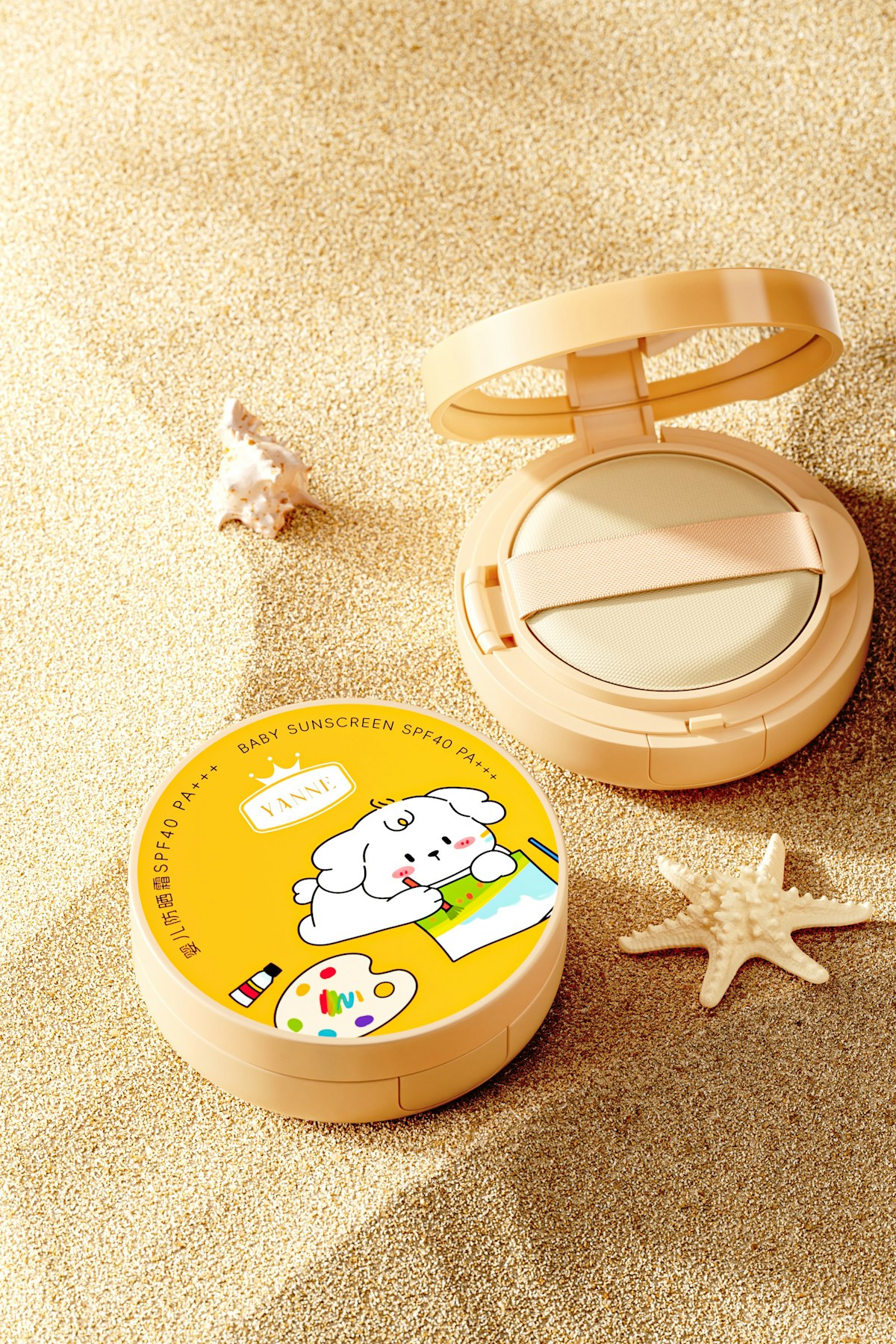
A Korean sunscreen labeled as a "cosmetic" in other markets becomes a "quasi-drug" in Japan if it makes SPF/PA claims. Similarly, any product claiming to "whiten" or "lighten" skin must go through quasi-drug approval. Misclassifying a product can result in import refusal and legal penalties.
Importing Cosmetics (Notification Path)
Step 1: Establish a Marketing Authorization Holder (MAH)
You need a licensed entity in Japan to serve as the MAH. Options include:
- Establish your own Japanese entity with a Cosmetics Manufacturing and Marketing License
- Partner with a licensed Japanese importer/distributor who acts as the MAH
- Use a regulatory agent who holds the necessary licenses
The MAH is responsible for product quality, safety, post-market surveillance, and adverse event reporting.
Step 2: Product Notification
For general cosmetics, submit a notification to the local prefectural government that includes:
- Product name (in Japanese)
- Product type/category
- Manufacturing facility information
- Marketing Authorization Holder details
- Ingredient list
Processing time is typically 2-4 weeks.
Step 3: Ingredient Compliance
Japan maintains several key ingredient lists:
- Negative List: Ingredients prohibited in cosmetics
- Restricted List: Ingredients allowed only up to specified concentrations
- Positive Lists for preservatives, UV filters, and tar colors (colorants)
- Ingredients requiring notification: Certain substances must be specifically disclosed
All ingredients must comply with the Japanese Standards of Cosmetic Ingredients (JSCI) or be approved through the notification process.
Common problem areas for Korean products:
- Certain preservatives that are common in Korea but restricted or banned in Japan
- Colorants not on Japan's approved tar color list
- Fragrance compositions containing restricted allergens
- Plant extracts not previously notified in Japan (new ingredients require additional data)
Step 4: Japanese Labeling
All cosmetics sold in Japan must have Japanese-language labeling.
Required label elements:
- Product type and name (in Japanese)
- MAH name and address
- Manufacturing country ("Made in Korea" / 韓国製)
- Content volume or weight
- Full ingredient list using INCI names in Japanese katakana
- Batch number
- Precautions and warnings
- Storage instructions if applicable
- Date of manufacture or expiry (quasi-drugs require expiry dates)
Importing Quasi-Drugs (Approval Path)
The quasi-drug approval process is significantly more complex and time-consuming.
Pre-Approval Requirements
- Formulation review to ensure active ingredients are on the approved list and within concentration limits
- Stability testing (typically 3 years of long-term data or accelerated testing)
- Safety testing including:
- Primary skin irritation test
- Cumulative skin irritation test
- Skin sensitization test
- Phototoxicity test (if applicable)
- Human patch test
- Eye irritation test (for products used near eyes)
- Efficacy testing demonstrating the claimed quasi-drug effect
- GMP compliance of the manufacturing facility
Approval Timeline and Cost
| Component | Estimated Cost | Timeline |
|---|---|---|
| Regulatory consultation | JPY 200,000-500,000 | 1-2 months |
| Stability testing | JPY 500,000-2,000,000 | 3-12 months |
| Safety testing package | JPY 1,000,000-3,000,000 | 3-6 months |
| Efficacy testing | JPY 500,000-1,500,000 | 2-4 months |
| MHLW application and review | JPY 200,000-500,000 | 3-12 months |
| Total | JPY 2,400,000-7,500,000 | 6-24 months |
At current exchange rates, this represents approximately USD 16,000-50,000 per product. The investment is significant, but quasi-drug status can be a strong marketing advantage in Japan, where consumers associate it with proven efficacy.
Customs and Import Procedures
Required Documents
- Import notification (for cosmetics) or approval certificate (for quasi-drugs)
- Certificate of Free Sale from Korean MFDS
- Certificate of Origin
- Commercial invoice and packing list
- Manufacturing and quality certificates
- GMP certificate of the manufacturing facility
Import Duties
Cosmetics imported from Korea benefit from the Japan-Korea trade relationship and various trade agreements:
- General cosmetics: 0% duty under most trade frameworks
- Quasi-drugs: Duty rates vary by specific product type
- Consumption tax: 10% applied on CIF value plus duty
Customs Inspection
Japanese customs may inspect cosmetics shipments for:
- Label compliance (Japanese language)
- Ingredient compliance (restricted/prohibited substances)
- Documentation completeness
- Product condition and packaging integrity
Strategic Considerations for Korean Brands
Strengths of K-Beauty in Japan
- Geographic proximity reduces shipping costs and times (2-3 days by sea)
- Cultural affinity and strong consumer interest in Korean trends
- Competitive pricing compared to domestic Japanese products
- Innovation speed attracts trend-conscious Japanese consumers
Challenges
- Strict quasi-drug classification captures many popular K-Beauty categories
- Consumer expectations for quality and packaging are extremely high
- Japanese consumers read ingredient lists carefully
- Competition from established Japanese brands is intense
Market Entry Strategy
- Start with general cosmetics that do not require quasi-drug approval (cleansers, moisturizers, color cosmetics)
- Build brand recognition in Japan through e-commerce and select retail partnerships
- Invest in quasi-drug approvals for hero products once the brand is established
- Adapt packaging and messaging for Japanese consumer preferences
- Source through platforms like knok to connect directly with Korean brands that have Japan export experience
The Japanese market rewards patience and quality. Brands that invest in proper compliance and localization often find Japan to be one of their most profitable and loyal markets.
Written by
knok Team
Expert contributor at knok, sharing insights about K-Beauty trends, wholesale opportunities, and the latest in Korean skincare innovations.