How to Import Korean Cosmetics to Australia: TGA Requirements Guide
Australia presents a growing opportunity for Korean cosmetics, driven by a multicultural population receptive to Asian beauty trends and a strong appreciation for innovative skincare. However, Australia's regulatory framework is distinctive, with cosmetics falling under multiple regulatory bodies depending on their claims and ingredients.
Regulatory Framework Overview
Australian cosmetics regulation is shared across several bodies:
- TGA (Therapeutic Goods Administration): Regulates products making therapeutic claims (sunscreens, anti-acne, medicated products)
- AICIS (Australian Industrial Chemicals Introduction Scheme): Manages chemical safety assessments for cosmetic ingredients
- ACCC (Australian Competition and Consumer Commission): Enforces consumer protection, labeling, and advertising standards
- NICNAS legacy: AICIS replaced NICNAS in July 2020 as the chemical regulator
Key Distinction: Cosmetic vs Therapeutic Good
The classification determines your regulatory path:
Cosmetics: Products used for cleansing, beautifying, promoting attractiveness, or altering appearance. They cannot claim to treat, prevent, or cure any condition.
Therapeutic Goods: Products making any therapeutic claim, including sunscreens (SPF claims), anti-acne treatments, and products claiming to treat eczema, psoriasis, or other conditions.
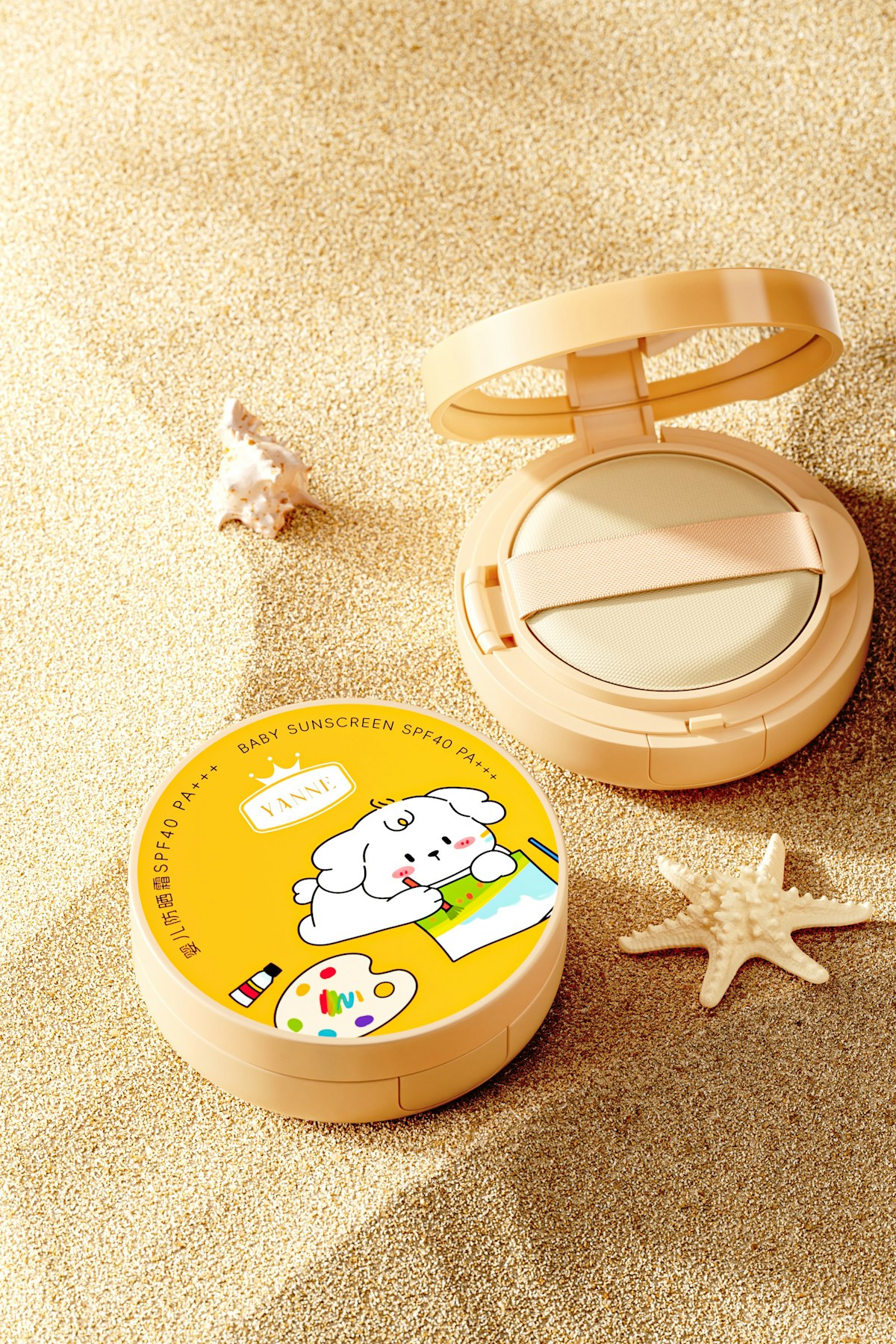
This distinction is critical because Korean sunscreens, a major export category, are classified as therapeutic goods in Australia and must be registered with the TGA.
Importing General Cosmetics
AICIS Requirements
All chemical ingredients in cosmetics must be either:
- Listed on the Australian Inventory of Industrial Chemicals (AIIC): Most common cosmetic ingredients are already listed.
- Assessed and introduced through AICIS: New chemicals not on the inventory require assessment before use.
Checking the inventory:
- Search the AIIC online database at AICIS website
- Verify each ingredient in your product's INCI list
- If an ingredient is not listed, you need an AICIS assessment (which can take 4-12 weeks and cost AUD 1,000-15,000 depending on assessment category)
Ingredient Restrictions
Australia follows a framework similar to the EU but with some unique restrictions:
- Coal tar dyes: Several are restricted or prohibited
- Methanol: Strictly limited in cosmetics
- Lead and heavy metals: Strict limits below many other markets
- Microbeads (plastic microbeads): Banned in rinse-off cosmetics since 2020
- Certain preservatives: Limits may differ from Korean and EU standards
- Fragrances: Must comply with IFRA standards; undisclosed allergens are restricted
Cosmetics Standard
The Australian Industrial Chemicals (General) Rules outline specific requirements for cosmetics, including:
- Compliance with the Poisons Standard (SUSMP) for scheduled substances
- Adherence to ingredient restrictions in the rules
- GMP compliance recommended (ISO 22716)
Importing Sunscreens and Therapeutic Cosmetics
TGA Registration Process
Sunscreens and products with therapeutic claims must be included on the Australian Register of Therapeutic Goods (ARTG) before sale.
Two pathways:
1. AUST L (Listed): For lower-risk therapeutic goods meeting pre-approved formulations.
- Sunscreens using approved active ingredients at approved concentrations
- Must meet TGA's performance standards
- Self-assessment pathway with post-market compliance checks
- Processing: Immediate to 20 business days
- Cost: AUD 370-1,400 (annual maintenance fees apply)
2. AUST R (Registered): For higher-risk or novel therapeutic goods.
- Required for sunscreens with novel UV filters or unusual claims
- Full safety, efficacy, and quality evaluation by TGA
- Processing: 4-12 months
- Cost: AUD 10,000-50,000+
SPF Testing Requirements
SPF claims in Australia must be validated according to AS/NZS 2604, the Australian/New Zealand standard for sunscreen products.
Key requirements:
- SPF testing must follow ISO 24444 methodology
- Water resistance claims require testing per AS/NZS 2604
- SPF claims above 50 must be labeled as "50+" (not "SPF 60" or higher)
- Broad spectrum claims require critical wavelength testing (>370nm)
- Testing must be performed by TGA-recognized laboratories
Important note for Korean exporters: SPF test results from Korea may not be accepted directly. Australian-standard testing may need to be performed, which costs approximately AUD 5,000-15,000 per formulation.
Labeling Requirements
General Cosmetics Labeling
Australian cosmetics must comply with Consumer Goods (Cosmetics) Information Standard 2020:
- Full ingredient list using INCI nomenclature, preceded by "INGREDIENTS:"
- Product identity and intended purpose
- Name and address of the Australian supplier (importer's details)
- Country of origin ("Made in Korea" or "Product of Korea")
- Net content in metric measurements
- Batch identification for traceability
- Warnings as required by the Poisons Standard
- Directions for use (if safety-relevant)
Language Requirements
All mandatory information must be in English. Korean text can remain on packaging, but required information must be clearly presented in English. Options include:
- Over-sticker labels with English information
- Wrapper or sleeve with Australian-compliant labeling
- Full packaging redesign for the Australian market
Country of Origin Labeling
Australia has specific country of origin labeling requirements under the Australian Consumer Law. For imported cosmetics:
- "Made in Korea" is the standard declaration
- Must be clearly visible on the primary display panel
- Cannot be misleading (e.g., using an Australian address without indicating import origin)
Customs and Import Procedures
Required Documents
- Commercial invoice with product descriptions and values
- Packing list
- Bill of lading or air waybill
- Certificate of Origin (preferably under Korea-Australia FTA / KAFTA)
- Import permit (if required for specific ingredients)
- TGA certificate of inclusion on ARTG (for therapeutic goods)
Import Duties Under KAFTA
The Korea-Australia Free Trade Agreement (KAFTA), effective since December 2014, provides significant duty benefits:
- Most cosmetics: 0% duty (fully eliminated under KAFTA)
- Sunscreens and therapeutic cosmetics: 0% duty
- Must provide a valid Certificate of Origin to claim preferential rates
- Without KAFTA, MFN duty rates range from 0-5% for most cosmetics
GST
Goods and Services Tax of 10% applies to all imported cosmetics. Calculated on the customs value (CIF) plus any duty payable.
Biosecurity
Australia has strict biosecurity requirements. Cosmetic products containing natural ingredients of plant or animal origin may require biosecurity assessment:
- Beeswax, honey, propolis: May require documentation of treatment/processing
- Plant extracts: Generally acceptable if processed, but raw botanical materials need review
- Animal-derived ingredients: Documentation of species and processing required
- Soil/seed-containing products: Restricted
Market Entry Strategy
Distribution Channels
- Online retail: The most common entry point. Platforms include Amazon Australia, eBay Australia, and independent e-commerce sites
- Specialty beauty retailers: Mecca, Sephora Australia, and independent K-Beauty specialty stores
- Pharmacies: Particularly for dermaceutical Korean brands with therapeutic registrations
- Department stores: Myer and David Jones carry premium beauty brands
- Supermarkets: Woolworths and Coles have expanding beauty sections
Consumer Preferences
Australian consumers value:
- Sun protection (Australia has the highest skin cancer rates globally; SPF is essential)
- Natural and clean ingredients (strong preference for minimal chemical exposure)
- Sustainable packaging (growing regulatory and consumer pressure)
- Cruelty-free certification (Leaping Bunny or Choose Cruelty Free are highly valued)
- Effective hydration (harsh climate creates demand for moisture-focused products)
Practical Steps
- Source Korean brands with Australian export potential through knokglobal.com
- Verify all ingredients against AIIC and Poisons Standard
- Arrange TGA registration for any sunscreen or therapeutic products
- Prepare English-language labeling compliant with Australian standards
- Apply for KAFTA preferential duty treatment
- Consider cruelty-free certification for marketing advantage
- Start with e-commerce to build brand awareness before approaching physical retail
The Australian market values transparency, safety, and efficacy. Korean brands that invest in proper compliance and emphasize ingredient innovation find a receptive and growing consumer base.
Written by
knok Team
Expert contributor at knok, sharing insights about K-Beauty trends, wholesale opportunities, and the latest in Korean skincare innovations.