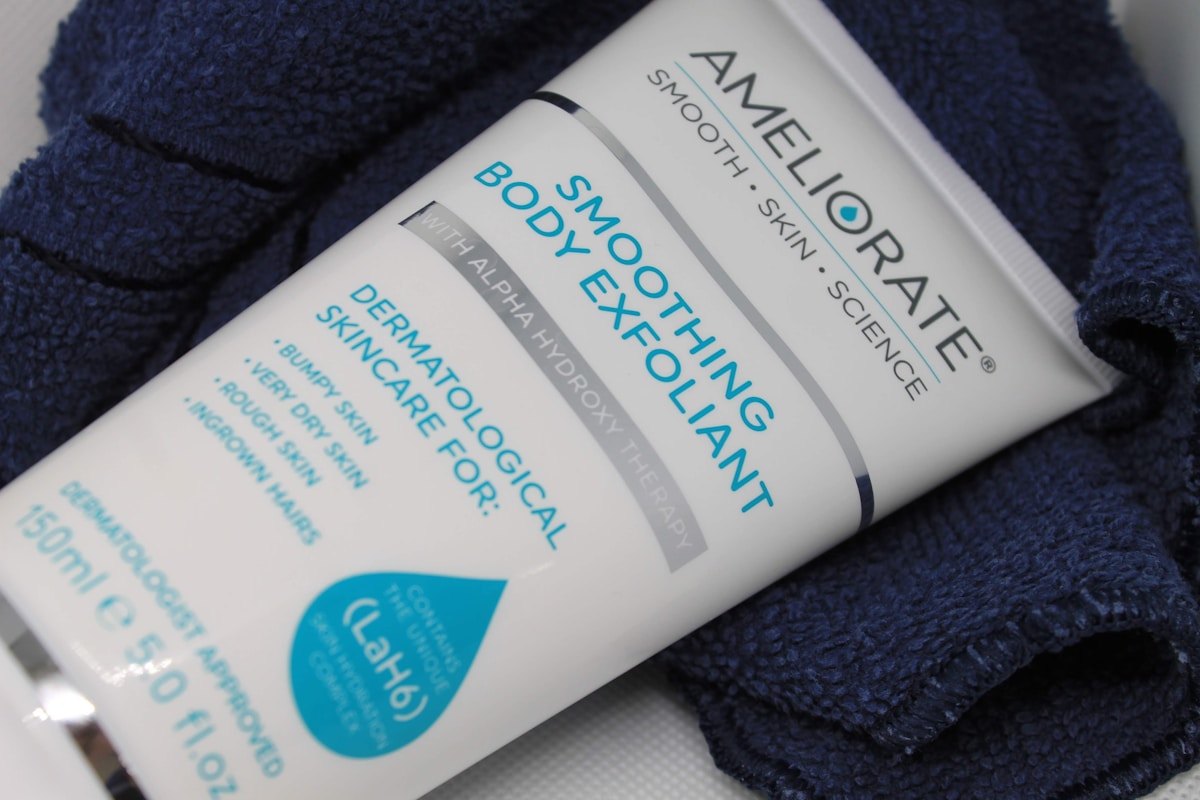
Gluconolactone in Korean Skincare: The Gentle Exfoliant Buyers Need to Know
Gluconolactone is the PHA exfoliant dominating sensitive skin skincare in Korea and globally. Here's what it does, why it sells, and which K-beauty brands use it best.
Decode Korean skincare ingredients — centella asiatica, niacinamide, retinoids, and more. Science-backed analysis for buyers and enthusiasts.

Gluconolactone is the PHA exfoliant dominating sensitive skin skincare in Korea and globally. Here's what it does, why it sells, and which K-beauty brands use it best.

Niacinamide is K-beauty's most versatile ingredient. This guide compares the top Korean niacinamide serums by concentration and skin type — with wholesale sourcing info for buyers.

Peptides are K-beauty's most underrated anti-aging ingredient. This guide breaks down the science, types, and top Korean peptide serums — plus what wholesale buyers need to know.
Hyaluronic acid and glycerin are the two most popular humectants in skincare. Compare their benefits, limitations, and how to use both.
Tazarotene and tretinoin are the two strongest prescription retinoids, but differ in receptor selectivity, irritation profiles, and FDA-approved uses. Learn which is right for acne, anti-aging, or psoriasis — plus the best Korean OTC alternatives when prescriptions aren't an option.

Madagascar centella ampoule — especially SKIN1004's 100% centella formula — is one of Korean skincare's most effective barrier-repair and anti-inflammatory products. Here's the science, who it's for, and how to use it.

Niacinamide blocks melanin transfer while vitamin C inhibits melanin production — two different mechanisms for the same brightening goal. Here's which to choose for your skin type, concerns, and how to use both together effectively.

Snail mucin and hyaluronic acid both hydrate skin — but snail mucin also repairs, regenerates, and fights acne. Learn the key differences, which to choose, and how to use both in your Korean skincare routine.

Bakuchiol is not a retinoid, but clinical trials show it delivers comparable anti-aging results to retinol 0.5% with far less irritation. It's photostable, pregnancy-safe, and rosacea-friendly. Here's the science, who should use it, and the best Korean bakuchiol formulations in 2026.

Retinal (retinaldehyde) is 11x more potent than retinol and requires just one conversion step to become active retinoic acid. Korean beauty brands have mastered retinal formulation — learn the difference, who should choose each, and the best Korean retinal products for 2026.
Adapalene targets acne through selective receptor binding; retinol addresses anti-aging through broad collagen stimulation. Learn which retinoid is right for your skin type, concerns, and goals — plus why Korean retinal products are emerging as the best of both worlds.

Calendula is one of Korean skincare's most valued botanicals. We break down what calendula does for skin, the best Korean calendula toners, and how to use them.
Explore our curated collection of premium Korean skincare and cosmetics brands for your business.
Explore Brands