Top 10 K-Beauty Sunscreens for Wholesale: 2026 Buyer Guide
Korean sunscreens have earned a near-legendary reputation among global consumers. Lightweight textures, elegant finishes, and advanced UV filter technology make them a top-selling category for importers worldwide. For wholesale buyers looking to stock the best performers in 2026, this guide breaks down the formulation types, standout brands, pricing structures, and procurement considerations that matter most.
Why Korean Sunscreens Dominate Global Markets
South Korea's stringent cosmetics regulations and consumer demand for daily sun protection have pushed local brands to innovate relentlessly. The result is a generation of sunscreens that feel nothing like the thick, white-cast formulas Western consumers once dreaded. Korean SPF products routinely deliver SPF 50+ PA++++ protection while feeling like lightweight moisturizers or primers.
For B2B buyers, this translates to high sell-through rates, strong repeat purchase behavior, and a category that appeals across demographics from teens to mature consumers.
Understanding SPF Types: Chemical vs Physical vs Hybrid
Before selecting products for your wholesale portfolio, it is important to understand the three main formulation approaches.
Chemical (Organic) Filters
Chemical sunscreens absorb UV radiation and convert it to heat. Korean brands commonly use filters such as Tinosorb S, Uvinul A Plus, and Homosalate. These formulas tend to be lightweight, transparent, and easy to layer under makeup.
Best for: Retailers targeting younger demographics and makeup-savvy consumers who prioritize a weightless finish.
Physical (Mineral) Filters
Physical sunscreens use zinc oxide or titanium dioxide to reflect UV rays. Korean brands have made significant strides in reducing the white cast traditionally associated with mineral formulas through micronization and tinting technology.
Best for: Retailers serving sensitive skin markets, clean beauty segments, and consumers seeking reef-safe options.
Hybrid Formulas
Hybrid sunscreens combine chemical and physical filters for broad-spectrum protection with improved cosmetic elegance. This category has grown rapidly in Korea and now represents the fastest-growing segment in the SPF market.
Best for: General retail where versatility and broad consumer appeal are priorities.
Top 10 Korean Sunscreens for Wholesale in 2026
| Rank | Product | Brand | SPF Type | SPF Rating | Wholesale Price Range (USD) |
|---|---|---|---|---|---|
| 1 | Beauty of Joseon Relief Sun | Beauty of Joseon | Chemical | SPF 50+ PA++++ | $5.50 - $7.00 per unit |
| 2 | COSRX Aloe 54.2 Aqua Tone-Up | COSRX | Hybrid | SPF 50+ PA++++ | $5.00 - $6.50 per unit |
| 3 | Isntree Hyaluronic Acid Watery Sun Gel | Isntree | Chemical | SPF 50+ PA++++ | $6.00 - $7.50 per unit |
| 4 | Round Lab Birch Juice Moisturizing Sun Cream | Round Lab | Hybrid | SPF 50+ PA++++ | $6.50 - $8.00 per unit |
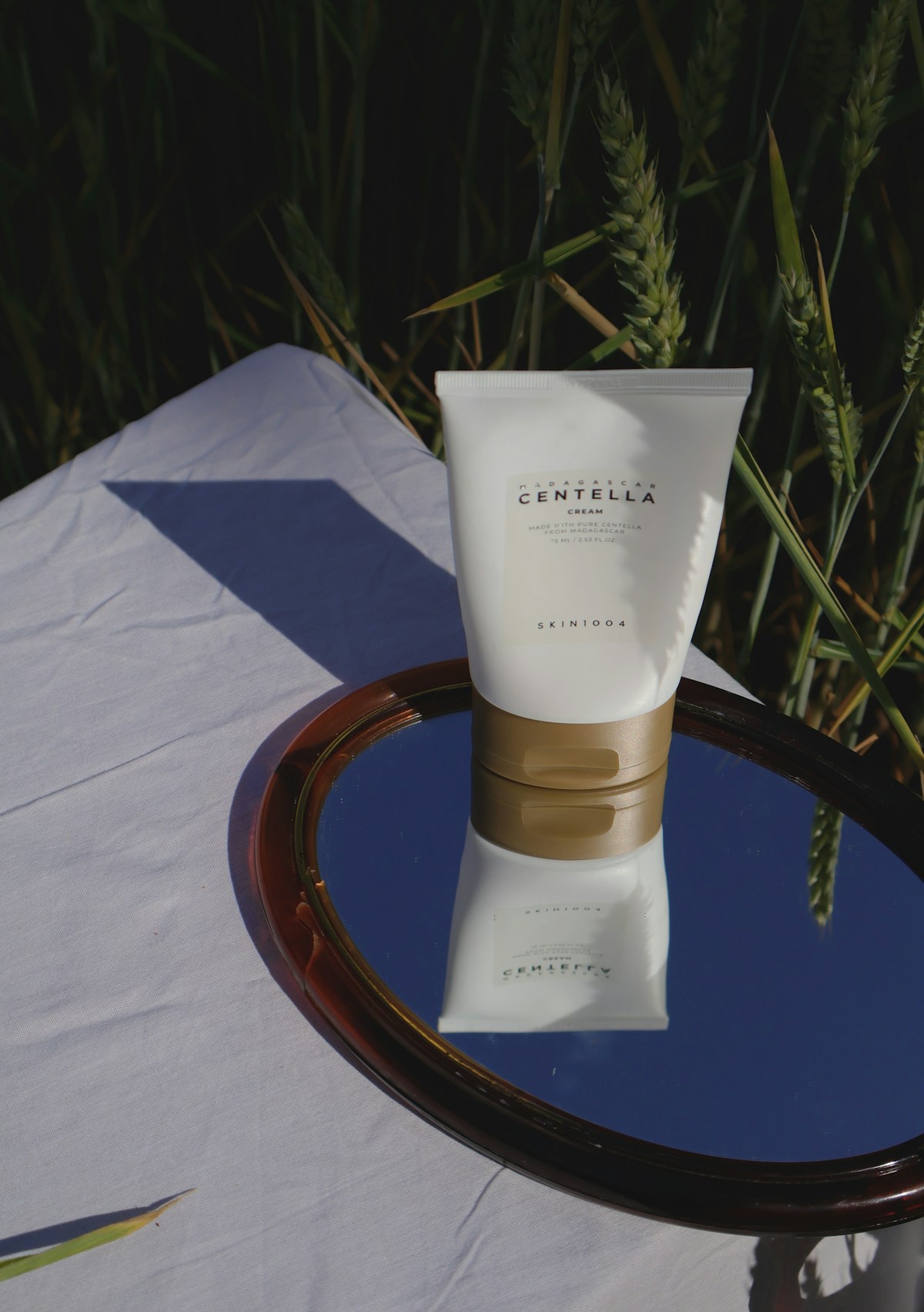
| 5 | Skin1004 Madagascar Centella Air-Fit Sun Cream | Skin1004 | Chemical | SPF 50+ PA++++ | $5.00 - $6.50 per unit |
| 6 | Dr.G Green Mild Up Sun+ | Dr.G | Physical | SPF 50+ PA++++ | $7.00 - $9.00 per unit |
| 7 | Torriden Dive-In Mild Sun Cream | Torriden | Chemical | SPF 50+ PA++++ | $5.50 - $7.00 per unit |
| 8 | Anua Birch 70 Moisture Boosting Sun Cream | Anua | Hybrid | SPF 50+ PA++++ | $6.00 - $7.50 per unit |
| 9 | Benton Air Fit UV Defense Sun Cream | Benton | Hybrid | SPF 50+ PA++++ | $5.50 - $7.00 per unit |
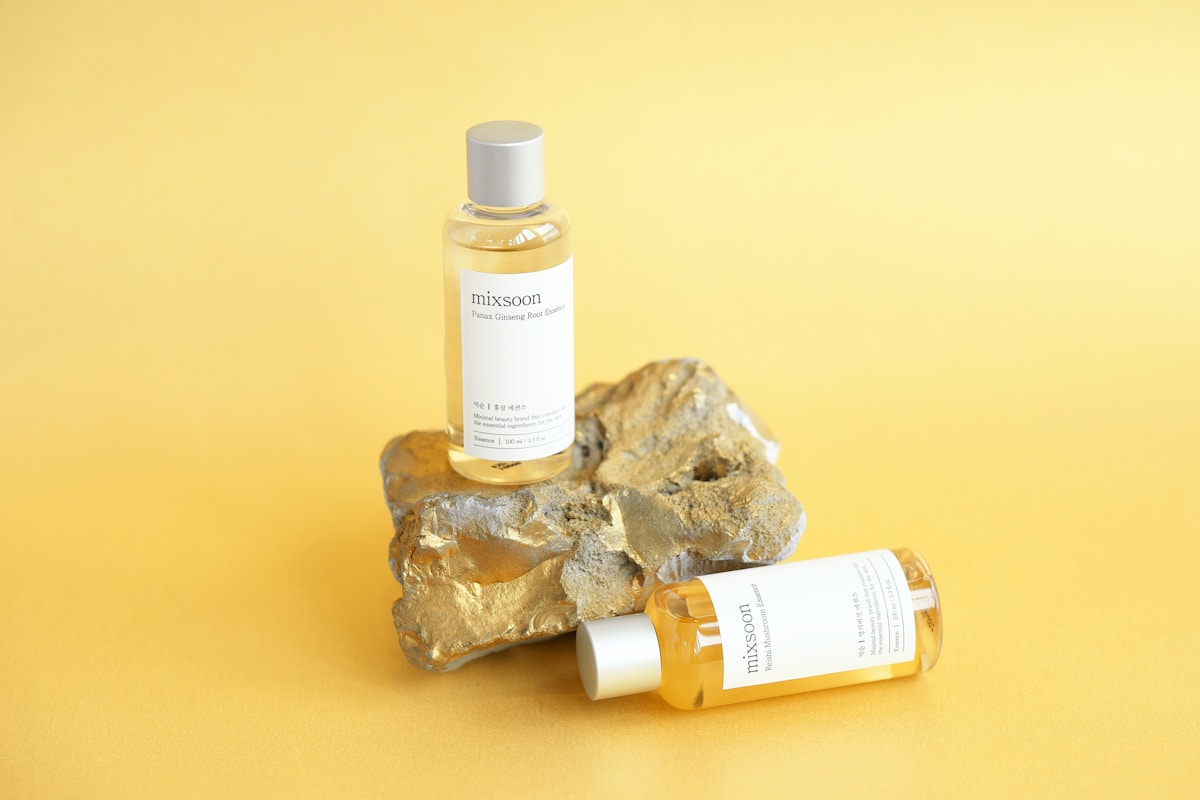
| 10 | mixsoon Centella Sun Cream | mixsoon | Chemical | SPF 50+ PA++++ | $6.00 - $8.00 per unit |
Wholesale prices are approximate and vary based on MOQ, shipping terms, and distribution agreements.
Texture Innovations to Watch
Korean sunscreen technology in 2026 continues to push boundaries in texture and finish.
Watery Gel Formulas
Gel-type sunscreens have become the bestselling texture in both domestic and export markets. They absorb instantly and leave no residue, making them ideal for humid climates and layering under makeup. Isntree and Torriden lead this segment.
Tone-Up and Tinted SPFs
Sunscreens with subtle tinting or tone-up effects eliminate the need for a separate primer or BB cream. COSRX and Round Lab have developed formulas that brighten skin tone without leaving a mask-like finish, which drives strong sales in Southeast Asian and Latin American markets.
Essence and Serum Textures
Several brands now offer SPF in essence or serum-like consistencies, blurring the line between skincare and sun protection. These appeal to consumers who want minimal product layering in their routines.
Price Tier Analysis for Wholesale Buyers
Understanding price positioning helps you curate a portfolio that serves multiple retail segments.
Budget Tier ($4.00 - $6.00 per unit)
Brands like Skin1004 and COSRX offer strong brand recognition at accessible wholesale prices. These are high-volume movers ideal for mass-market retail, e-commerce bundles, and subscription boxes.
Mid Tier ($6.00 - $8.00 per unit)
Beauty of Joseon, Isntree, Round Lab, and Anua sit in the sweet spot of quality and margin. These brands carry strong social media presence and are frequently featured in dermatologist recommendations, giving retailers built-in marketing support.
Premium Tier ($8.00 - $10.00+ per unit)
Dr.G and specialty brands command higher prices due to dermatological positioning, clinical testing claims, and pharmacy-channel distribution in Korea. These work well for curated beauty retailers and professional skincare shops.
Wholesale Sourcing Considerations
Minimum Order Quantities
Most Korean sunscreen brands set MOQs between 200 and 1,000 units per SKU for direct wholesale. Working through authorized distributors or platforms like knokglobal.com can provide access to lower MOQs and consolidated shipping.
Shelf Life and Storage
Korean sunscreens typically carry a 12-month period after opening (PAO) and 30-month total shelf life. For wholesale buyers, this means careful inventory planning is essential, especially for slower-moving premium SKUs. Request manufacturing dates rather than just expiration dates from suppliers.
Regulatory Compliance
Sunscreen classification varies by market. In the United States, sunscreens are regulated as over-the-counter drugs by the FDA, which requires specific labeling and compliance. In the European Union, they fall under cosmetics regulation. Ensure your Korean supplier can provide documentation that meets your target market requirements.
Seasonal Demand Planning
Sunscreen sales peak between March and August in Northern Hemisphere markets but remain relatively steady in tropical regions. Savvy wholesale buyers place orders 60 to 90 days ahead of peak season to secure inventory and favorable pricing.
Building Your Sunscreen Portfolio
For retailers new to the K-Beauty sunscreen category, a balanced approach works best. Start with two to three hero products from the mid-tier range, add one budget option for volume, and consider one premium or specialized formula to round out your offering. Monitor sell-through data for two to three months before expanding.
Find these brands and connect directly with Korean sunscreen manufacturers on knokglobal.com, where you can compare MOQs, request samples, and negotiate wholesale terms in one place.
Key Takeaways
- Korean sunscreens remain one of the highest-performing categories for global beauty retailers
- Hybrid and watery gel formulas are the fastest-growing segments in 2026
- Price tiers from budget to premium allow portfolio diversification across retail channels
- Regulatory compliance and shelf life management are critical wholesale considerations
- Seasonal demand planning and early ordering secure better pricing and availability
The K-Beauty sunscreen market shows no signs of slowing down. With the right product selection and sourcing strategy, wholesale buyers can capitalize on sustained consumer demand for elegant, effective Korean sun protection.
Written by
knok Team
Expert contributor at knok, sharing insights about K-Beauty trends, wholesale opportunities, and the latest in Korean skincare innovations.