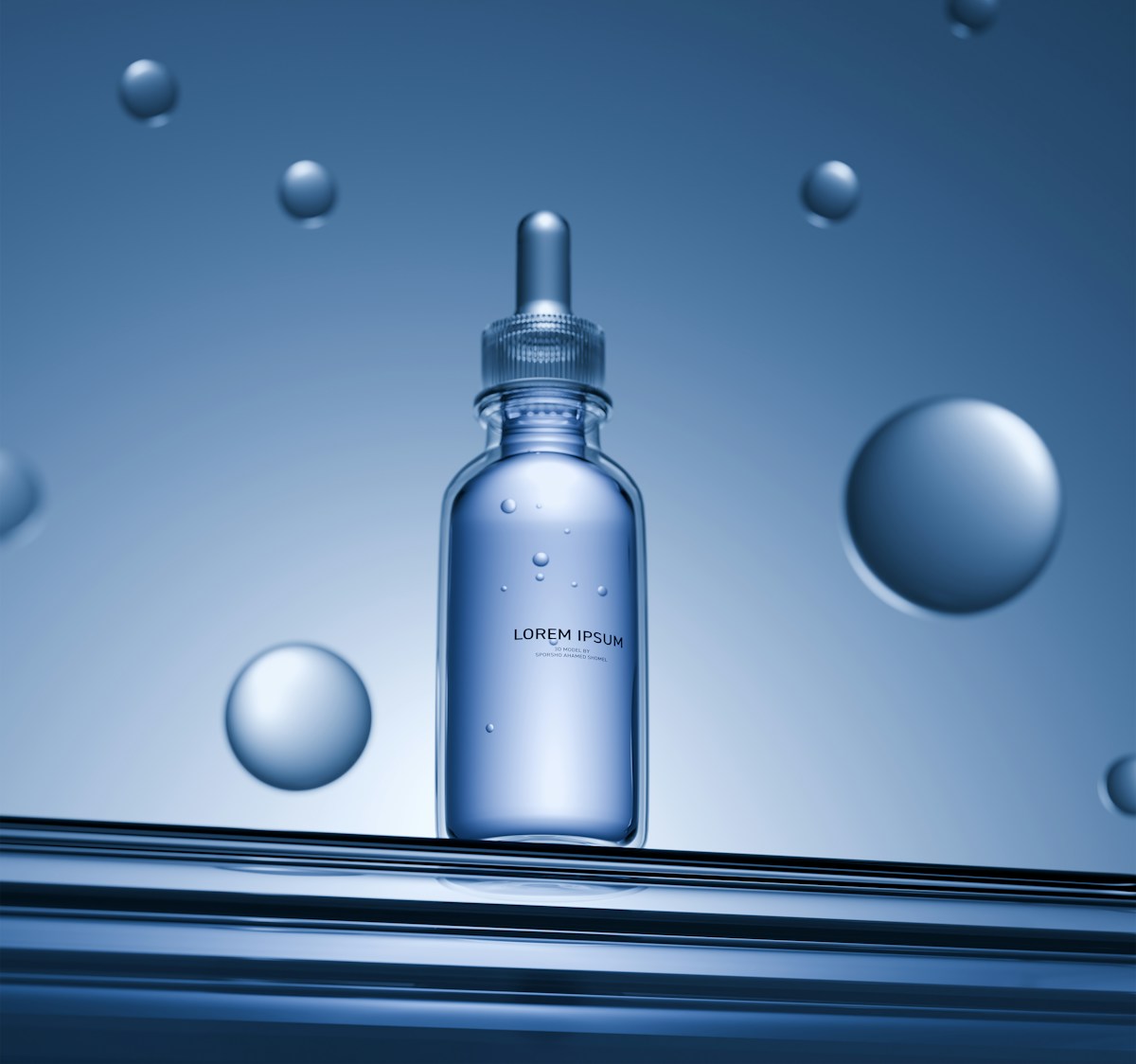
Snow Mushroom in Korean Skincare: Nature's Hyaluronic Acid
Snow mushroom (Tremella fuciformis) has been used in traditional Chinese and Korean medicine for centuries, prized for its ability to promote youthful, hydrated skin. Legend holds that Yang Guifei, one of the Four Great Beauties of ancient China, attributed her luminous complexion to snow mushroom consumption. Modern science has validated what traditional practitioners observed — Tremella fuciformis extract holds remarkable moisture-binding properties that rival and in some respects surpass synthetic hyaluronic acid.
Korean skincare brands are now incorporating snow mushroom into serums, essences, and moisturizers, bringing this ancient ingredient into contemporary formulations.
The Science Behind Snow Mushroom
Molecular Structure and Hydration
Snow mushroom produces a polysaccharide that can hold up to 500 times its weight in water — comparable to hyaluronic acid's capacity. However, the critical difference lies in molecular size. Snow mushroom polysaccharides have a smaller particle size than most hyaluronic acid molecules used in skincare. This means they penetrate the stratum corneum more effectively and deliver hydration to deeper layers of the epidermis.
The branching structure of Tremella polysaccharides also creates a flexible hydration network on the skin surface. Unlike hyaluronic acid, which sits primarily on top of the skin or in the upper layers, snow mushroom forms an interconnected moisture mesh that adapts to facial movements without cracking or losing effectiveness.
Antioxidant Properties
Tremella fuciformis contains significant levels of superoxide dismutase (SOD), an enzyme that neutralizes superoxide radicals — one of the most damaging free radical species in the skin. SOD activity declines naturally with age, making external supplementation through topical products increasingly valuable as skin matures.
Research published in the International Journal of Biological Macromolecules has demonstrated that Tremella polysaccharides exhibit dose-dependent antioxidant activity, protecting skin cells from UV-induced oxidative damage.
Anti-Aging Mechanisms
Beyond hydration, snow mushroom stimulates the production of hyaluronan synthase — the enzyme responsible for producing hyaluronic acid naturally within the skin. This means that rather than simply replacing lost hyaluronic acid with an external supply, snow mushroom actually helps the skin generate more of its own. This approach to anti-aging is more sustainable and produces longer-lasting results.
Snow mushroom also inhibits matrix metalloproteinases (MMPs), enzymes that break down collagen and elastin. By slowing this degradation, Tremella extract helps maintain skin firmness and elasticity over time.
Snow Mushroom vs Hyaluronic Acid
Penetration Depth
Snow mushroom's smaller particle size allows it to penetrate deeper into the skin compared to high-molecular-weight hyaluronic acid. Low-molecular-weight hyaluronic acid achieves similar depth but can sometimes trigger inflammatory responses in sensitive skin. Snow mushroom provides deep hydration without this risk.
Moisture Retention
In controlled humidity environments, snow mushroom polysaccharides maintain better moisture retention than hyaluronic acid. Hyaluronic acid can actually draw moisture out of the skin in dry conditions (below 40% humidity), worsening dehydration. Snow mushroom's film-forming properties prevent this reverse osmosis effect, making it more reliable in air-conditioned offices, heated rooms, and arid climates.
Skin Feel
Products formulated with snow mushroom tend to have a lighter, less sticky texture compared to hyaluronic acid serums. They absorb quickly and leave a smooth, matte finish rather than the tacky residue that some HA products produce. This makes snow mushroom particularly appealing for oily or combination skin types and for layering under makeup.
Best Korean Snow Mushroom Products
Serums and Essences
Innisfree Jeju Orchid Enriched Essence incorporates Tremella fuciformis alongside Jeju orchid extract for a potent hydrating and anti-aging serum. The combination delivers both immediate moisture and long-term skin rejuvenation.
COSRX Full Fit Propolis Light Ampoule features snow mushroom as a supporting ingredient alongside propolis extract. While propolis provides antibacterial and healing benefits, snow mushroom contributes the hydration backbone that makes this ampoule effective for dehydrated skin.
Beauty of Joseon Glow Deep Serum includes mushroom-derived ingredients among its traditional Korean formulation components. While rice bran and arbutin headline this serum, the mushroom extracts contribute to its impressive hydration performance.
Moisturizers and Creams
Torriden DIVE-IN Low Molecular Hyaluronic Acid Cream pairs snow mushroom with its signature low-molecular HA technology. The dual hydration system provides both surface and deep moisture binding.
SKIN1004 Madagascar Centella Ampoule includes Tremella-derived compounds that complement the soothing centella asiatica base, creating a hydrating treatment that also calms irritated skin.
Sheet Masks
Innisfree My Real Squeeze Mask (Mushroom) provides a concentrated dose of mushroom extracts including Tremella for a 20-minute intensive hydration treatment. The sheet mask format maximizes ingredient absorption through extended contact time.
How to Incorporate Snow Mushroom Into Your Routine
For Dehydrated Skin
- Cleanse: Gentle, low-pH cleanser
- Tone: Hydrating toner like Anua Heartleaf 77% Soothing Toner
- Snow mushroom serum: Apply to damp skin for maximum absorption
- Moisturizer: Seal with a cream containing ceramides
- SPF (AM): Non-negotiable for protecting hydrated skin
For Anti-Aging Combination
Use snow mushroom serum as your hydration layer, followed by retinol or vitamin C in the evening. The snow mushroom provides a buffer of hydration that reduces irritation from active ingredients while its MMP-inhibiting properties complement the collagen-stimulating effects of retinoids.
For Sensitive Skin
Snow mushroom is naturally hypoallergenic and anti-inflammatory. Use it as a stand-alone treatment serum when skin is reactive or recovering from procedures:
- Apply 2 to 3 layers of a snow mushroom essence using the Korean "7 skin method" for intensive hydration
- Follow with a minimal moisturizer
- Avoid combining with strong acids or exfoliants during recovery
Sourcing Considerations
Extract Quality Matters
Not all Tremella fuciformis extracts are equal. The bioactivity of snow mushroom depends on extraction method, concentration, and purity. Korean brands generally use hot water extraction followed by polysaccharide isolation, which preserves the active components. Look for products that list Tremella fuciformis extract (not just "mushroom extract") high on the ingredient list.
Concentration and Formulation
Effective snow mushroom products typically contain 1% to 5% Tremella polysaccharide extract. Some brands inflate their marketing claims by referencing the raw mushroom extract weight rather than the active polysaccharide fraction. Check that the product specifies polysaccharide content when possible.
Why Source Through knok?
knok connects you directly with Korean beauty brand owners — no middlemen, wholesale pricing, and fast brand responses. Browse 173+ verified K-Beauty brands and discover innovative snow mushroom skincare formulations at competitive wholesale rates today.
Conclusion
Snow mushroom represents the best of Korean skincare's approach to ingredient innovation — taking a time-tested natural ingredient and applying modern formulation science to maximize its potential. With superior penetration, reliable moisture retention across humidity levels, and additional anti-aging benefits that hyaluronic acid cannot match, Tremella fuciformis deserves serious consideration in any hydration-focused skincare routine. Korean brands like Innisfree, COSRX, and Torriden are leading the way in making this ingredient accessible in elegant, effective formulations.
Written by
knok Team
Expert contributor at knok, sharing insights about K-Beauty trends, wholesale opportunities, and the latest in Korean skincare innovations.