Propolis K-Beauty Products: The Bee-Derived Ingredient Guide
Propolis has emerged as one of the most commercially viable ingredients in the K-Beauty wholesale market. Valued for centuries in traditional medicine, this bee-derived resin has found a natural home in Korean skincare formulations. For B2B buyers, propolis products represent a category with strong consumer demand, compelling ingredient stories, and measurable skin benefits that drive repeat purchases.
What Is Propolis and Why Does It Matter?
Propolis is a resinous substance that honeybees collect from tree buds, sap flows, and botanical sources. Bees use it to seal and sterilize their hives, which hints at its powerful protective properties. In skincare, propolis delivers a concentrated blend of over 300 bioactive compounds including flavonoids, phenolic acids, terpenes, and amino acids.
What makes propolis particularly attractive for the wholesale skincare market is its multifunctional profile. A single ingredient addresses multiple consumer concerns: antibacterial protection, antioxidant defense, wound healing support, and anti-inflammatory relief. This versatility translates directly into marketing advantages and broader consumer appeal.
Key Benefits for Skincare
- Antioxidant Protection: Propolis contains caffeic acid phenethyl ester (CAPE) and chrysin, both potent free radical scavengers that protect skin cells from environmental damage
- Antibacterial Action: Natural antimicrobial properties make propolis effective against acne-causing bacteria without the harshness of synthetic alternatives
- Wound Healing: Clinical studies show propolis accelerates tissue repair and collagen synthesis, supporting post-procedure recovery products
- Anti-Inflammatory: Flavonoids in propolis reduce redness, calm irritation, and soothe reactive skin conditions
- Moisture Barrier Support: Propolis helps strengthen the skin barrier, reducing transepidermal water loss
Understanding Concentration Levels
Not all propolis products are created equal, and concentration is one of the most important factors for wholesale buyers to evaluate. Korean manufacturers typically offer propolis products across several concentration tiers.
Low Concentration (1-10%)
Products in this range include propolis as a supporting ingredient rather than the star. These formulations work well in daily-use toners and lightweight moisturizers where propolis complements other active ingredients. They are generally the most affordable to source and carry the broadest market appeal.
Medium Concentration (10-50%)
This is the sweet spot for most propolis serums and ampoules. Products like the COSRX Full Fit Propolis Light Ampoule use concentrations in this range to deliver noticeable benefits without overwhelming sensitive skin types. Medium-concentration products command moderate price points and appeal to educated skincare consumers.
High Concentration (60-90%)
Premium propolis products with high concentrations target serious skincare enthusiasts and professional channels. These formulations often use propolis extract as the primary ingredient, with minimal additional components. They command premium pricing and attract loyal repeat buyers who have experienced measurable results.
Full-Strength Extracts (90%+)
A small number of Korean brands produce near-pure propolis extracts designed for mixing or professional use. These products serve niche markets but offer exceptional margins for distributors who can effectively communicate the value proposition.
Propolis Combined with Honey and Royal Jelly
Korean formulators have excelled at creating synergistic blends that combine propolis with complementary bee-derived ingredients. Understanding these combinations helps wholesale buyers curate more compelling product selections.
Propolis + Honey
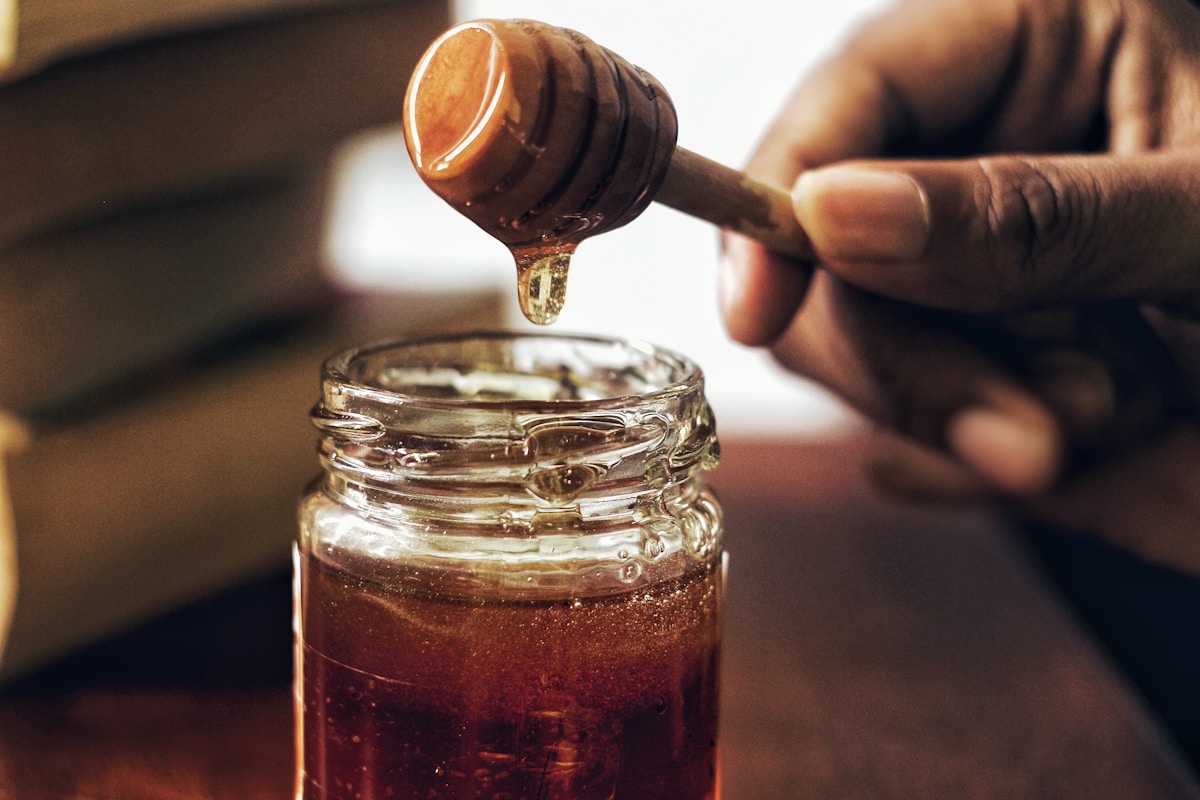
Honey adds humectant properties and additional antibacterial action. This combination works particularly well in wash-off masks and sleeping packs. The honey provides immediate hydration while propolis delivers long-term protective benefits. Manuka honey blends command the highest premiums.
Propolis + Royal Jelly
Royal jelly contributes 10-HDA (10-hydroxy-2-decenoic acid), a fatty acid unique to royal jelly with demonstrated anti-aging properties. Combined with propolis, this pairing creates a powerful anti-aging and nourishing formulation. Products featuring both ingredients typically target the premium segment.
Propolis + Bee Venom
Bee venom (apitoxin) creates a controlled micro-inflammatory response that stimulates collagen production. When paired with propolis, the anti-inflammatory properties of propolis help modulate the response, creating a balanced anti-aging treatment. This combination is particularly popular in Korean sheet masks.
Top Korean Propolis Products for Wholesale
Several Korean brands have established strong reputations in the propolis category, making them reliable choices for wholesale sourcing.
COSRX offers the Full Fit Propolis line, which includes a synergy toner, light ampoule, and honey overnight mask. Their consistent quality and established global distribution make them a safe entry point for new B2B buyers.
SCINIC produces concentrated propolis ampoules with high extract percentages. Their products appeal to the value-conscious consumer segment seeking potent formulations at accessible price points.
Tosowoong delivers propolis sheet masks that have gained cult followings in multiple international markets. Their masks use high-quality propolis extract with effective delivery systems.
Papa Recipe built their brand identity around their Bombee Honey Mask line, which combines propolis with honey for a dual-action treatment approach.
Sourcing Considerations for Wholesale Buyers
When evaluating propolis products for your wholesale catalog, several factors deserve careful attention.
Origin of Propolis: Korean manufacturers source propolis from different regions. Brazilian green propolis and Korean domestic propolis have distinct compound profiles. Brazilian propolis is rich in artepillin C, while Korean propolis tends to have higher flavonoid content. Understanding the source helps you match products to market preferences.
Extraction Method: Look for products using ethanol extraction or supercritical CO2 extraction, which preserve the broadest range of bioactive compounds. Water-based extractions are less expensive but may yield lower concentrations of key flavonoids.
Stability and Shelf Life: Propolis products generally maintain stability for 12-24 months when properly formulated. Verify shelf life guarantees with manufacturers, especially for high-concentration products that may be more sensitive to oxidation.
Certifications: Products with EWG verification, dermatological testing certificates, or organic propolis sourcing documentation command premium pricing and simplify regulatory compliance in many markets.
Vegan Alternatives to Propolis
As vegan beauty continues to grow, some wholesale buyers seek plant-based alternatives that deliver similar benefits. Korean brands have responded with formulations featuring:
- Bakuchiol: A plant-derived retinol alternative with antioxidant properties
- Green Tea Extract: Rich in polyphenols with strong antioxidant and anti-inflammatory action
- Centella Asiatica: Offers wound healing and anti-inflammatory benefits comparable to propolis
- Turmeric Extract: Provides antibacterial and antioxidant properties through curcumin
While these alternatives address the vegan market segment, propolis remains unique in its compound complexity. Many buyers find that stocking both propolis and plant-based alternatives maximizes their market coverage.
Building a Propolis Product Strategy
For wholesale buyers looking to develop or expand their propolis category, consider a tiered approach. Start with a proven mid-range propolis serum or ampoule as your anchor product. Add a propolis-infused daily product like a toner or moisturizer for entry-level consumers. Then introduce a premium high-concentration product for your most dedicated customers.
Find ingredient-focused brands offering propolis lines on knokglobal.com, where you can connect directly with Korean manufacturers specializing in bee-derived skincare formulations.
Propolis represents a category where ingredient quality directly impacts product performance. Investing time in understanding concentration levels, sourcing origins, and formulation synergies will position your business to select products that deliver genuine results and earn lasting consumer loyalty.
Written by
knok Team
Expert contributor at knok, sharing insights about K-Beauty trends, wholesale opportunities, and the latest in Korean skincare innovations.