Korean Skincare vs Chinese Skincare: An Honest Comparison
The Asian beauty market has been dominated by Korean skincare (K-beauty) for over a decade, but Chinese skincare (C-beauty) has emerged as a serious contender with rapid innovation and massive domestic investment. For consumers and retailers evaluating products from both markets, understanding the differences in formulation philosophy, regulation, ingredient trends, and market positioning helps make informed sourcing decisions.
This is a balanced comparison of both industries, acknowledging the strengths each brings to the global beauty market.
Industry Overview
Korean Skincare (K-Beauty)
K-beauty has been a global phenomenon since the early 2010s. The industry is built on decades of research and development by conglomerates like AmorePacific, LG Household & Health Care, and independent labs that have produced globally recognized brands. Korea exports cosmetics to over 160 countries and has established itself as the world leader in skincare innovation.
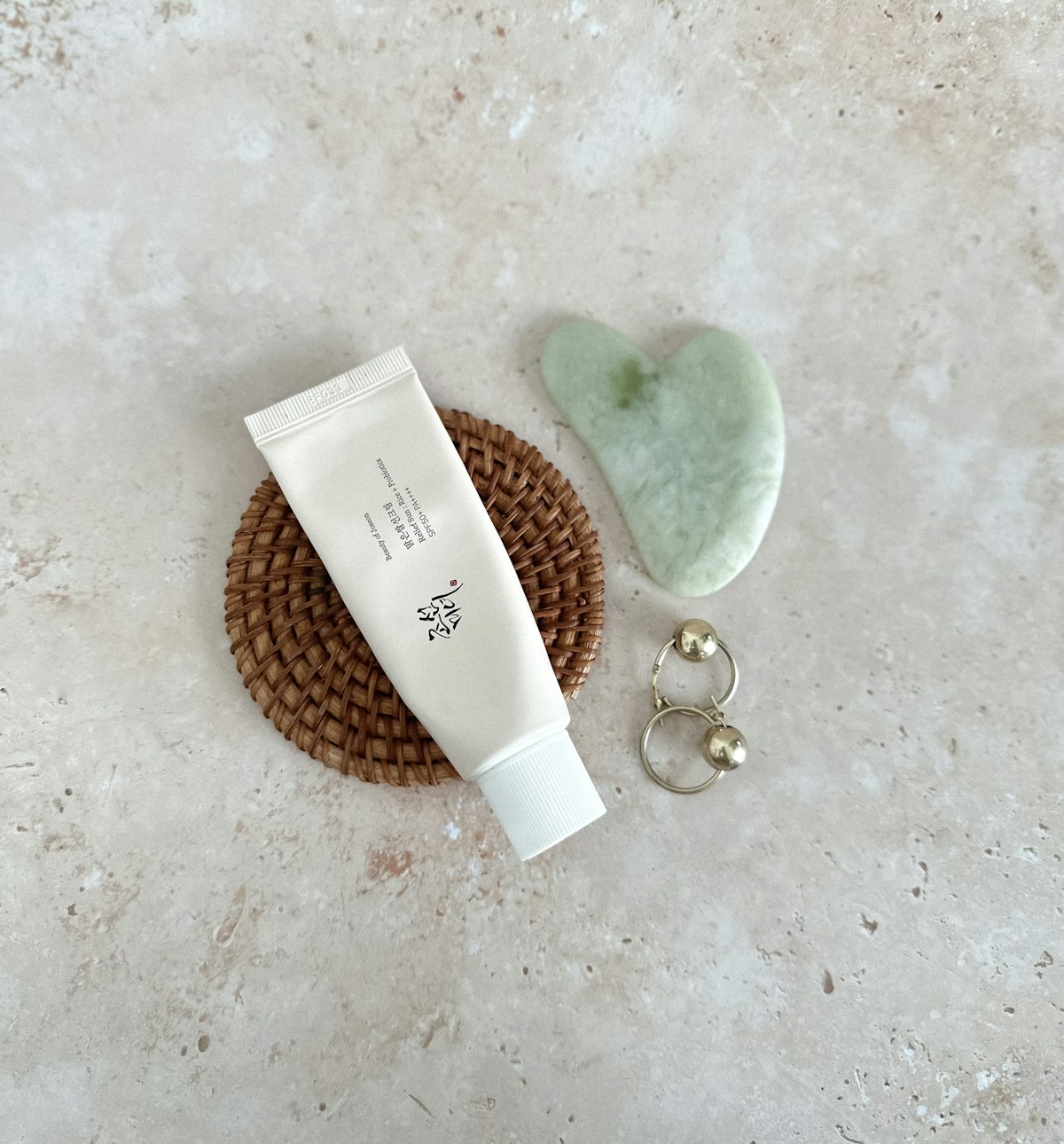
Key brands: COSRX, Beauty of Joseon, Laneige, Sulwhasoo, Innisfree, Missha, Some By Mi, Torriden, SKIN1004, Anua
Chinese Skincare (C-Beauty)
C-beauty has grown explosively since 2018, driven by domestic consumer demand and massive investment. Chinese brands leverage the world's largest consumer market for rapid product iteration and use traditional Chinese medicine (TCM) ingredients alongside modern actives. The industry has moved beyond budget alternatives to compete on innovation.
Key brands: Florasis, Proya, Winona, Chando, Perfect Diary, Judydoll
Formulation Philosophy
K-Beauty Approach
Korean skincare emphasizes a layered, multi-step approach where each product serves a specific purpose. Formulations tend to be lightweight, designed to be layered without pilling or heaviness. Korean brands excel at creating products with minimal ingredient lists that deliver targeted results — the "less but better" approach to active concentrations.
Korean formulations lean heavily on:
- Fermented ingredients (galactomyces, saccharomyces)
- Snail mucin, propolis, and bee venom
- Centella asiatica and tea tree
- Rice, ginseng, and green tea extracts
- Hyaluronic acid and ceramides
C-Beauty Approach
Chinese skincare often takes a holistic, TCM-inspired approach that views skin health as connected to overall body wellness. Formulations may incorporate traditional herbal extracts like ginseng, pearl powder, astragalus, and goji berry alongside modern Western actives like retinol and vitamin C. C-beauty products tend to be more all-in-one, combining multiple functions in single products.
Chinese formulations increasingly feature:
- Traditional Chinese herbs and botanicals
- High-concentration actives (retinol, vitamin C)
- Advanced peptide complexes
- Domestic plant extracts unique to China
- Biomimetic technologies
Innovation and R&D
Where K-Beauty Leads
Korean skincare innovation is driven by a culture of competitive product development and a consumer base that demands constant novelty. Key areas of Korean leadership include:
- Texture innovation: Cushion compacts, sleeping masks, sheet masks, and ampoules were all Korean innovations that went global
- Gentle active delivery: Korean brands excel at making potent ingredients tolerable for sensitive skin
- Sunscreen technology: Korean sunscreens are widely considered the best in the world for cosmetic elegance and high protection
- Fermentation science: Decades of research into fermented beauty ingredients
- Skincare-makeup hybrids: BB creams, tone-up creams, and skin tints that blur the line between care and cosmetics
Where C-Beauty Leads
Chinese beauty innovation has accelerated rapidly with significant investment in biotechnology and manufacturing:
- Scale and speed: Chinese brands can iterate from concept to market faster than any other market
- Digital-first products: Designed for social commerce with strong visual appeal and viral marketing
- Packaging innovation: Ornate, culturally inspired packaging that appeals to luxury and heritage markets
- Price-performance ratio: High-quality active formulations at aggressive price points
- TCM integration: Unique ingredient combinations not found in other markets
Regulation and Safety
Korean Skincare Regulation
Korea's Ministry of Food and Drug Safety (MFDS) maintains strict cosmetic regulations:
- All cosmetics must be registered and tested before sale
- Ingredient lists follow INCI naming conventions for international transparency
- Regular inspections of manufacturing facilities
- Specific regulations for functional cosmetics (whitening, anti-wrinkle, sun protection)
- Good Manufacturing Practice (GMP) certification required
- Strong track record of international regulatory compliance
Chinese Skincare Regulation
China's National Medical Products Administration (NMPA) has significantly tightened regulations in recent years:
- All imported and domestic cosmetics require NMPA registration
- Animal testing requirements were relaxed in 2021 for domestic general cosmetics but remain complex for imports
- New filing system introduced for general cosmetics streamlining approval
- Increasing alignment with international standards
- Growing emphasis on ingredient safety documentation
Both countries maintain rigorous safety standards, though Korea's longer track record of international exports gives it an established reputation for regulatory compliance in global markets.
Price Positioning
K-beauty spans the full price spectrum from budget brands like COSRX to luxury lines like Sulwhasoo. C-beauty has historically competed on value, but premium Chinese brands like Florasis now price competitively with Korean mid-range products. For wholesale buyers, both markets offer strong margins, though K-beauty products typically command higher retail prices internationally due to established brand recognition.
Cultural Appeal and Market Reach
K-beauty benefits from the global Korean Wave (Hallyu) — K-pop, K-dramas, and Korean culture drive consumer interest in Korean products worldwide. This cultural soft power gives K-beauty an organic marketing advantage in North America, Europe, and Southeast Asia.
C-beauty's strength lies in its enormous domestic market and growing influence in Southeast Asia and the Middle East. Chinese brands are increasingly targeting international expansion, though global brand recognition is still developing compared to established Korean brands.
Which Is Right for Your Market?
For retailers and distributors making sourcing decisions:
- Established international markets: K-beauty has stronger brand recognition and consumer trust
- Price-sensitive markets: C-beauty offers competitive quality at lower price points
- Trend-driven consumers: K-beauty's innovation pipeline delivers consistent novelty
- Heritage and luxury positioning: Both offer options — Korean ginseng traditions and Chinese TCM heritage
- Sensitive skin focus: K-beauty has a deeper portfolio of gentle, dermatologist-tested products
Why Source Through knok?
knok connects you directly with Korean beauty brand owners — no middlemen, wholesale pricing, and fast brand responses. Browse 173+ verified K-Beauty brands and start sourcing today.
Conclusion
Both Korean and Chinese skincare industries deserve respect for their innovations and contributions to global beauty. K-beauty leads in formulation elegance, sunscreen technology, gentle active delivery, and established international brand trust. C-beauty brings scale, TCM heritage, competitive pricing, and rapidly improving formulations. For many retailers, the answer is not choosing one over the other but understanding where each market's strengths align with their customers' needs. That said, for proven international appeal and established consumer demand, Korean skincare remains the gold standard in global markets.
Written by
knok Team
Expert contributor at knok, sharing insights about K-Beauty trends, wholesale opportunities, and the latest in Korean skincare innovations.