Korean Skincare vs Western Brands: Key Differences Explained
The debate between Korean and Western skincare is one of the most common questions in the beauty world. Both approaches produce effective products, but they differ significantly in philosophy, formulation, pricing, and consumer experience. Understanding these differences helps consumers build better routines and helps retailers make smarter sourcing decisions.
This is not about declaring a winner — both markets have genuine strengths. Instead, this guide explains the key differences so you can make informed choices.
Fundamental Philosophy Differences
Korean Skincare Philosophy
Korean skincare is built on prevention and maintenance. The core belief is that consistent daily care using gentle, targeted products prevents skin problems before they start. This philosophy manifests in several ways:
- Multi-step routines: The famous 7-10 step Korean routine layers lightweight products, each addressing a specific concern
- Hydration first: Korean skincare treats hydration as the foundation of all skin health
- Gentle over aggressive: Lower concentrations of actives applied consistently over time rather than high-strength treatments
- Skin barrier protection: Maintaining the moisture barrier is prioritized in nearly every Korean product
- Innovation-driven: Constant development of new textures, delivery systems, and ingredient combinations
Western Skincare Philosophy
Western skincare traditionally focuses on treatment and correction. Products tend to be formulated to address existing problems with potent active ingredients:
- Streamlined routines: Fewer products with higher active concentrations — cleanser, treatment, moisturizer, SPF
- Active-forward formulations: Higher percentages of retinol, glycolic acid, vitamin C, and prescription ingredients
- Results-oriented: Emphasis on visible, measurable results in shorter timeframes
- Clinical validation: Strong emphasis on clinical trials and dermatological testing
- Problem-solution approach: Products marketed around specific skin concerns
Ingredient Approaches
Korean Standout Ingredients
Korean skincare has popularized ingredients that are now used globally:
- Snail mucin: Made famous by COSRX, it provides hydration, wound healing, and anti-aging benefits
- Fermented extracts: Galactomyces (Missha), saccharomyces, and fermented rice provide enhanced bioavailability
- Centella asiatica: Used extensively by SKIN1004, Anua, and VT Cosmetics for calming and healing
- Propolis and honey: Beauty of Joseon and COSRX use these for anti-inflammatory and moisturizing benefits
- Rice and ginseng: Traditional ingredients backed by modern research, found in Sulwhasoo and I'm From
- Mugwort (ssuk): Calming botanical used by Anua and I'm From for sensitive, reactive skin
Western Standout Ingredients
Western skincare excels with clinically proven actives:
- Retinoids: The gold standard for anti-aging, from prescription tretinoin to OTC retinol
- Hydroxy acids (AHA/BHA): Higher concentrations for visible exfoliation and texture improvement
- Vitamin C (L-ascorbic acid): Often at 15-20% concentrations for maximum brightening
- Benzoyl peroxide: A potent acne treatment not commonly used in Korean formulations
- Prescription ingredients: Stronger access to dermatologist-prescribed treatments
Formulation and Texture
One of the most noticeable differences is texture. Korean products tend to be lighter, more watery, and designed for layering. Essences, ampoules, and lightweight serums absorb quickly and work well in multi-step routines. Western products tend to be richer, creamier, and more self-contained.
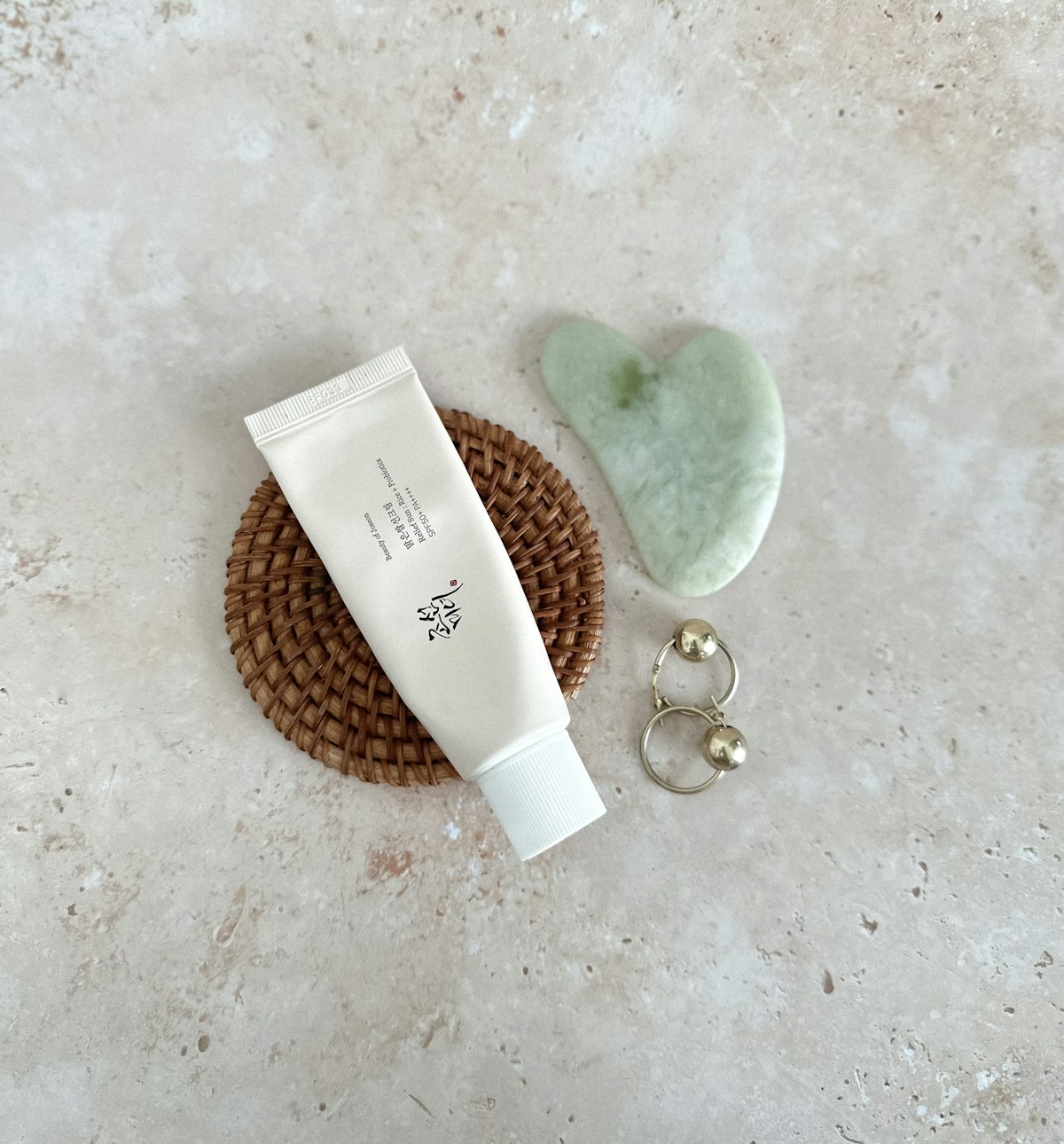
Korean sunscreens illustrate this difference perfectly. Products like the Beauty of Joseon Relief Sun and SKIN1004 Hyalu-Cica Water-Fit Sun Serum have lightweight, non-greasy textures that feel like moisturizers. Many Western sunscreens prioritize protection over cosmetic elegance, resulting in thicker, white-cast-prone formulas — though this gap has been closing in recent years.
Pricing and Value
Korean skincare generally offers better value at every price tier:
- Budget tier: Products from COSRX, Some By Mi, and Torriden at $10-20 compete with Western products priced at $25-40
- Mid-range: Brands like Beauty of Joseon and Laneige at $15-35 match the performance of Western brands at $40-70
- Premium: Sulwhasoo at $50-150 competes with Western luxury at $100-300+
This price advantage comes from Korea's competitive domestic market, efficient manufacturing, and lower marketing overhead compared to Western luxury brands that invest heavily in celebrity endorsements and retail presence.
Innovation Speed
Korean beauty innovates faster than any other market. The average Korean brand launches 10-20 new products per year compared to 3-5 for major Western brands. This rapid iteration means Korean consumers always have access to the latest ingredient trends and formulation technologies.
Recent Korean innovations include:
- VT Cosmetics Reedle Shot: Microspicule technology for enhanced ingredient penetration
- Torriden DIVE-IN series: Five types of hyaluronic acid in a single lightweight serum
- Anua Heartleaf line: Pioneering the use of houttuynia cordata in mainstream skincare
- Beauty of Joseon revival: Traditional hanbang ingredients in modern, accessible formulations
Western innovation tends to be slower but more clinically validated, with brands like CeraVe, La Roche-Posay, and SkinCeuticals investing heavily in clinical trials before product launch.
Skincare Culture
In Korea, skincare is a daily ritual that begins in childhood. Korean consumers are highly educated about ingredients and formulations, driving brands to innovate and improve constantly. The social aspect of skincare — discussing routines, sharing reviews, visiting dermatologists regularly — creates a culture where skin health is prioritized.
Western skincare culture has evolved significantly with the rise of social media and ingredient education platforms, but the baseline consumer knowledge in Korea remains higher. This cultural difference drives product quality — Korean brands must satisfy a highly discerning domestic consumer before even entering international markets.
Which Approach Is Better?
The honest answer: the best approach combines both. Many skincare enthusiasts use Korean products for hydration, sun protection, and gentle daily maintenance while incorporating Western actives like prescription retinoids or high-strength vitamin C for targeted treatment.
For retailers and distributors, Korean skincare offers:
- Higher innovation frequency with constant new products to attract customers
- Better price-to-performance ratios that support healthy margins
- Strong consumer demand driven by K-culture and social media
- Elegant formulations that create loyal repeat customers
- Established trust through decades of international market presence
Why Source Through knok?
knok connects you directly with Korean beauty brand owners — no middlemen, wholesale pricing, and fast brand responses. Browse 173+ verified K-Beauty brands and start sourcing today.
Conclusion
Korean and Western skincare each bring genuine strengths to the beauty market. Korean skincare excels in prevention-based philosophy, formulation elegance, texture innovation, sunscreen technology, and value pricing. Western skincare leads in high-concentration actives, clinical validation, and prescription-grade treatments. The smartest approach for both consumers and retailers is understanding where each market's strengths align with specific skin needs and customer preferences.
Written by
knok Team
Expert contributor at knok, sharing insights about K-Beauty trends, wholesale opportunities, and the latest in Korean skincare innovations.