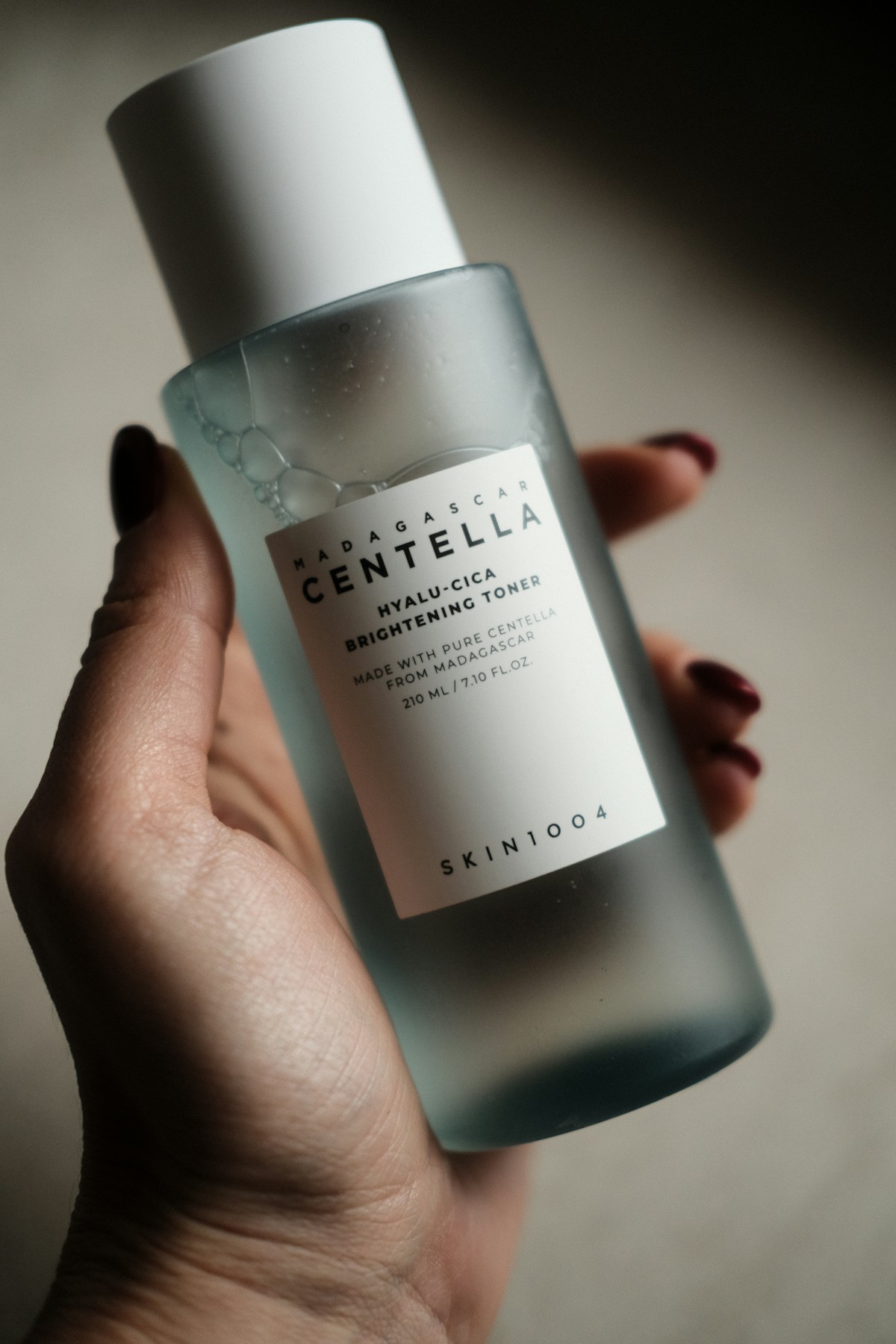
Korean Skincare Ingredients to Avoid: What to Watch Out For
Korean skincare has earned its reputation for innovative, effective formulations. But not every ingredient in every K-beauty product is right for every skin type. Understanding which ingredients to approach with caution — and when — helps you build a routine that delivers results without irritation.
Important Context First
Before diving into ingredients to avoid, a few important notes:
- "Avoid" does not always mean "bad": Some ingredients are fine for most people but problematic for specific skin types
- Concentration matters: An ingredient at 0.1% is very different from the same ingredient at 10%
- Your skin is unique: What irritates one person may be perfectly tolerated by another
- Patch test everything: The most reliable way to check compatibility
Ingredients to Approach With Caution
1. Fragrance / Parfum (향료)
Why to watch out: Fragrance is the most common cause of cosmetic contact dermatitis. It can contain dozens of undisclosed compounds under a single listing.
Who should avoid: Sensitive skin, eczema-prone skin, rosacea sufferers, anyone with a history of fragrance reactions.
The K-beauty reality: Many popular Korean products contain fragrance. The good news is that the fragrance-free K-beauty segment is growing rapidly.
Safer alternatives: Look for products labeled 무향 (fragrance-free) or brands like Etude House SoonJung, Purito Centella Unscented, Round Lab, and Illiyoon.
2. Denatured Alcohol / Ethanol (에탄올/변성알콜)
Why to watch out: In high concentrations (listed in the first 5 ingredients), denatured alcohol can strip the skin barrier, cause dryness, and trigger rebound oiliness.
Who should avoid: Dry skin, compromised barrier, dehydrated skin.
The nuance: Small amounts of alcohol further down the ingredient list serve as a penetration enhancer and are generally not problematic. Fatty alcohols (cetyl alcohol, cetearyl alcohol) are not the same and are actually beneficial moisturizing ingredients.
Safer alternatives: Alcohol-free toners and serums from COSRX, Torriden, and Klairs.
3. Essential Oils
Why to watch out: Essential oils (tea tree, lavender, citrus, eucalyptus) can cause photosentivity, contact dermatitis, and irritation — especially when used undiluted or in high concentrations.
Who should avoid: Sensitive skin, rosacea, those on retinol or acids.
The nuance: Tea tree oil at controlled concentrations (0.5-1%) is well-studied for acne and is generally safe. The concern is with products that use multiple essential oils at higher concentrations.
Safer alternatives: Centella, madecassoside, and panthenol deliver calming benefits without essential oil risks.
4. Sodium Lauryl Sulfate (SLS)
Why to watch out: A harsh surfactant that effectively cleanses but can strip natural oils and irritate sensitive skin.
Who should avoid: Sensitive skin, dry skin, eczema-prone skin.
The K-beauty reality: Most Korean cleansers have moved away from SLS in favor of gentler surfactants. Low-pH cleansers are the norm.
Safer alternatives: Cocamidopropyl betaine, sodium cocoyl glutamate, and other amino acid-based surfactants found in brands like COSRX, innisfree, and Round Lab.
5. Mineral Oil / Petrolatum
Why to watch out: While cosmetic-grade mineral oil is non-comedogenic, some people report breakouts. It is also an occlusive that traps everything underneath — including bacteria.
Who should avoid: Acne-prone skin, fungal acne (Malassezia) sufferers.
Safer alternatives: Squalane, jojoba oil, and shea butter provide occlusion without the same breakout risk.
6. Niacinamide at High Concentrations (>10%)
Why to watch out: While niacinamide is generally very well-tolerated, concentrations above 5-10% can cause redness, tingling, and irritation in some people. More is not always better.
Who should be cautious: Those new to actives, sensitive skin.
Recommendation: Start with 2-5% niacinamide products, which are effective and less likely to cause issues.
7. Witch Hazel / Hamamelis
Why to watch out: Often used in toners for its astringent properties, but can be drying and irritating, especially when combined with alcohol.
Who should avoid: Dry skin, sensitive skin, rosacea.
Safer alternatives: Korean hydrating toners from Klairs, Pyunkang Yul, and Laneige.
Ingredients That Sound Scary But Are Actually Fine
Butylene Glycol
Common in K-beauty, often near the top of ingredient lists. It is a humectant and solvent — not harmful. Rarely causes irritation.
Cetearyl Alcohol
A fatty alcohol, not the drying kind. It is an emollient that softens and smooths skin. Completely different from denatured alcohol.
Dimethicone (Silicone)
Creates a smooth, protective layer. Does not clog pores despite the myth. Helps products glide on and creates a smooth canvas for makeup.
Phenoxyethanol
A preservative used at very low concentrations (under 1%). Far safer than the parabens it often replaces. Rarely causes issues.
How to Read Korean Ingredient Labels
- Ingredients are listed in descending order of concentration
- Everything after 향료 (fragrance) or 페녹시에탄올 (phenoxyethanol) is likely under 1%
- Look for 기능성화장품 on the label — this means the product passed Korean MFDS clinical testing
- 전성분 means "full ingredients list"
- Use apps like INCI Decoder or Hwahae (Korean app) to analyze ingredient lists
Building a "Safe" K-Beauty Routine
For sensitive or reactive skin, start with these minimal-ingredient brands:
| Brand | Key Feature | Products to Try |
|---|---|---|
| Etude House SoonJung | Minimal ingredients, pH 5.5 | Cleanser, Emulsion, Cream |
| Pyunkang Yul | 7-ingredient formulas | Essence Toner, Moisture Cream |
| Illiyoon | Ceramide-focused, dermatologist-tested | Ceramide Ato Cream |
| Round Lab | Mineral-rich, gentle | Dokdo Cleanser, Birch Toner |
| Torriden | Hyaluronic acid focused | DIVE-IN Serum |
Why Source Through knok?
knok connects you directly with Korean beauty brand owners — no middlemen, wholesale pricing, and fast brand responses. Browse 173+ verified K-Beauty brands including clean, fragrance-free, and sensitive skin-friendly options.
Conclusion
Korean skincare is generally well-formulated and safe, but being ingredient-aware helps you avoid unnecessary irritation. Focus on your specific skin concerns, learn to read ingredient lists, and when in doubt, choose the growing selection of fragrance-free, minimal-ingredient K-beauty products.
Written by
knok Team
Expert contributor at knok, sharing insights about K-Beauty trends, wholesale opportunities, and the latest in Korean skincare innovations.


