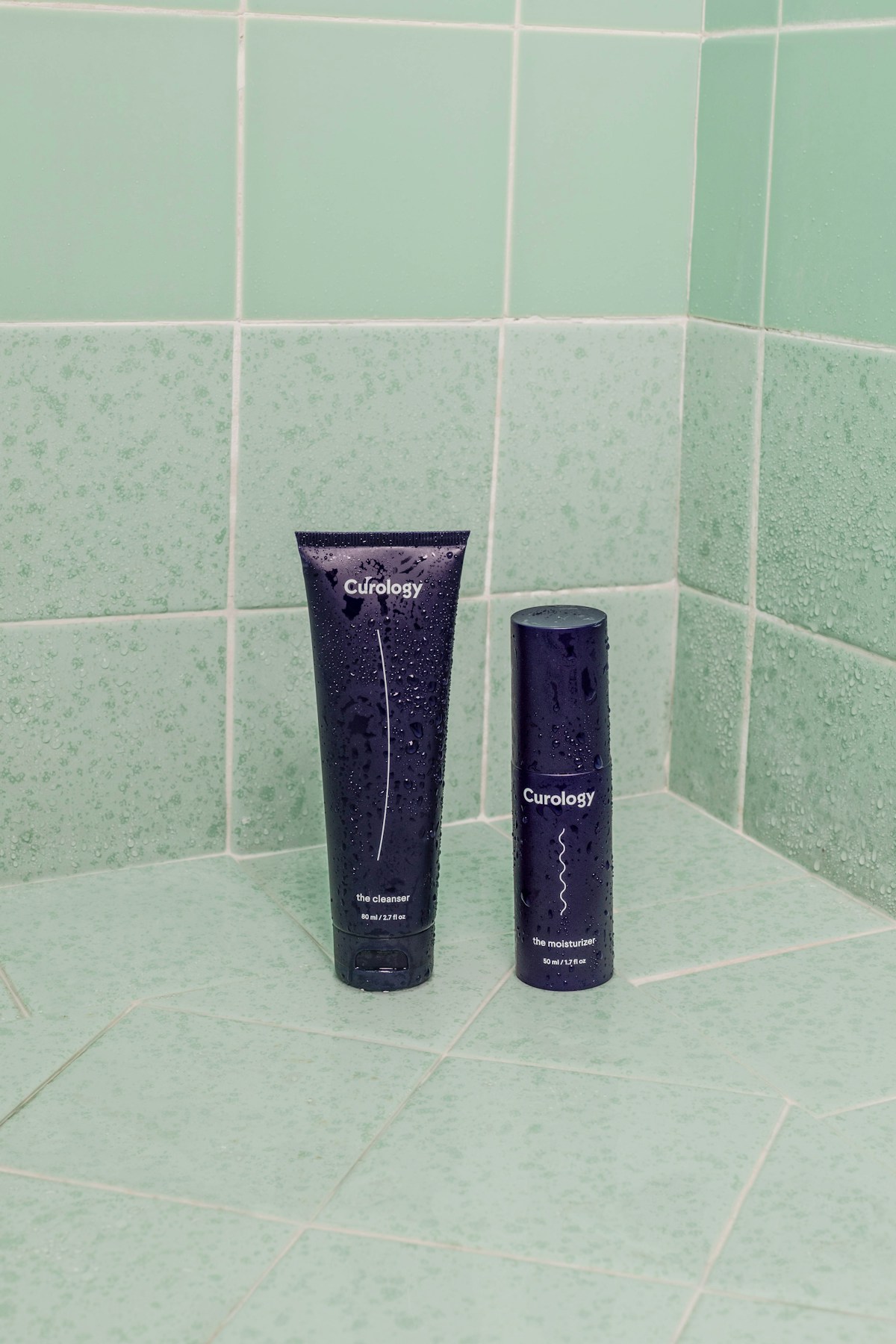
K-Beauty 101: Complete Beginner Guide to Korean Skincare Routines
Korean skincare has earned a worldwide reputation for delivering visible results through layered, intentional routines. For retailers and wholesale buyers, understanding these routines is not just personal knowledge but a business advantage. When you can explain the "why" behind each step to your customers, you build trust, increase basket sizes, and reduce product returns.
This guide breaks down everything you need to know about the Korean skincare routine, from the famous 10-step system to practical morning and evening variations that real people actually follow.
The Philosophy Behind Korean Skincare
Western skincare has traditionally focused on correction: treat acne after it appears, fight wrinkles once they form. Korean skincare takes the opposite approach. Prevention and maintenance sit at the core of the K-Beauty philosophy.
- Hydration over harshness. Korean routines prioritize moisture at every step rather than stripping the skin with aggressive actives.
- Gentle layering. Thin layers of lightweight products absorb better than one heavy cream, delivering ingredients deeper into the skin.
- Consistency matters more than intensity. A simple routine followed daily outperforms an aggressive routine used sporadically.
- Skin barrier protection. Healthy skin starts with a strong moisture barrier, which is why Korean products rarely rely on high concentrations of irritating acids.
Understanding this philosophy helps retailers position K-Beauty products correctly. You are not selling a quick fix but an investment in long-term skin health.
The 10-Step Korean Skincare Routine
The 10-step routine is the framework that made K-Beauty famous. Not every person uses all 10 steps every day, but knowing the full sequence helps you understand where each product category fits.
Step 1: Oil Cleanser
Oil-based cleansers dissolve makeup, sunscreen, and sebum without stripping the skin. They work on the principle that oil attracts oil. Popular formats include cleansing oils, cleansing balms, and micellar waters.
Step 2: Water-Based Cleanser
The second cleanse removes any remaining impurities that the oil cleanser loosened. Foam cleansers, gel cleansers, and cream cleansers are the most common formats. This double-cleanse method is the foundation of Korean skincare.
Step 3: Exfoliant
Used two to three times per week rather than daily. Korean exfoliants tend to be gentler than Western counterparts, favoring PHA and low-concentration AHA formulas over aggressive scrubs. Chemical exfoliants are preferred over physical ones.
Step 4: Toner
Korean toners are nothing like the astringent, alcohol-heavy toners of the past. They are hydrating liquids that prepare the skin to absorb subsequent products. Think of them as the primer coat before painting.
Step 5: Essence
The essence is perhaps the most distinctly Korean step. It is a lightweight, watery product packed with fermented ingredients or concentrated actives. Essences help with cell turnover and deep hydration.
Step 6: Serum or Ampoule
Serums and ampoules deliver high concentrations of targeted ingredients. Whether the concern is brightening, anti-aging, or acne control, this is where the heavy-lifting happens. Ampoules are typically more concentrated than serums.
Step 7: Sheet Mask
Sheet masks provide an intensive burst of hydration and active ingredients. While not used daily, they are a staple for weekly skin maintenance. The mask fabric holds the serum against the skin for 15 to 20 minutes, boosting absorption.
Step 8: Eye Cream
The skin around the eyes is thinner and more delicate than the rest of the face. Dedicated eye creams address concerns like dark circles, puffiness, and fine lines with formulas designed for this sensitive area.
Step 9: Moisturizer
Moisturizers seal in all the previous layers. Korean moisturizers range from lightweight gel creams for oily skin to rich barrier creams for dry skin. The key is matching the texture to the skin type and climate.
Step 10: Sunscreen (AM Only)
Sunscreen is non-negotiable in Korean skincare. Korean sun protection products are famous for their lightweight, elegant textures that layer well under makeup. SPF 50+ PA++++ is the standard.
Morning vs Evening Routine
Nobody actually does all 10 steps twice a day. Here is how routines differ between morning and night.
Morning Routine (5-6 Steps)
| Step | Product | Purpose |
|---|---|---|
| 1 | Water-based cleanser (or just water) | Gentle refresh |
| 2 | Toner | Hydrate and prep |
| 3 | Essence or serum | Targeted treatment |
| 4 | Eye cream | Protect delicate area |
| 5 | Moisturizer | Seal in hydration |
| 6 | Sunscreen | UV protection |
The morning routine skips the oil cleanser (no makeup to remove), exfoliation (too harsh for daily morning use), and sheet masks (time-consuming).
Evening Routine (7-8 Steps)
| Step | Product | Purpose |
|---|---|---|
| 1 | Oil cleanser | Remove makeup and sunscreen |
| 2 | Water-based cleanser | Deep cleanse |
| 3 | Exfoliant (2-3x per week) | Cell turnover |
| 4 | Toner | Rebalance pH |
| 5 | Essence | Nourish and repair |
| 6 | Serum or ampoule | Targeted treatment |
| 7 | Eye cream | Overnight repair |
| 8 | Moisturizer or sleeping mask | Lock everything in |
Evening routines are more thorough because the skin repairs itself during sleep. This is when stronger actives and richer formulas do their best work.
Common Beginner Mistakes
Retailers who educate their customers on these pitfalls will see fewer returns and more repeat purchases.
- Using too many products at once. Beginners often buy the entire routine on day one. Advise customers to start with the basics (cleanser, toner, moisturizer, sunscreen) and add one new product every two weeks.
- Applying products in the wrong order. The rule is simple: thinnest to thickest consistency. Toner before serum, serum before cream.
- Skipping sunscreen. All the brightening serums and anti-aging creams in the world cannot compete with UV damage. Sunscreen is the single most impactful skincare product.
- Over-exfoliating. More is not better. Two to three times per week is enough for most skin types.
- Expecting overnight results. Korean skincare is about gradual improvement. Set the expectation that visible changes take four to six weeks of consistent use.
- Ignoring skin type. A routine for oily skin looks very different from one for dry or sensitive skin. Product recommendations should always start with a skin type assessment.
Practical Advice for Retailers and Wholesale Buyers
Understanding the routine helps you build smarter product assortments. Rather than stocking random products, curate collections that guide customers through a logical routine.
- Starter kits sell well. Bundle a cleanser, toner, moisturizer, and sunscreen as a "K-Beauty Starter Kit" for beginners.
- Cross-sell by routine step. When a customer buys a cleanser, suggest the next step in the routine.
- Educate in-store or online. A simple infographic showing the routine order increases customer confidence and average order value.
- Stock multiple textures per step. Offer gel and cream moisturizers so customers can match their skin type.
Browse brands and discover curated K-Beauty collections for your store on knokglobal.com. The platform connects you directly with Korean brands offering wholesale pricing across every routine step.
Building Your K-Beauty Knowledge
The Korean skincare routine is more than a trend. It represents a thoughtful, science-backed approach to skin health that resonates with consumers worldwide. As a retailer, your ability to explain and recommend the right products within this framework is what separates a successful K-Beauty section from a confusing shelf of unfamiliar packaging.
Start with the basics, understand the order, and let your product knowledge grow alongside your inventory.
Written by
knok Team
Expert contributor at knok, sharing insights about K-Beauty trends, wholesale opportunities, and the latest in Korean skincare innovations.


