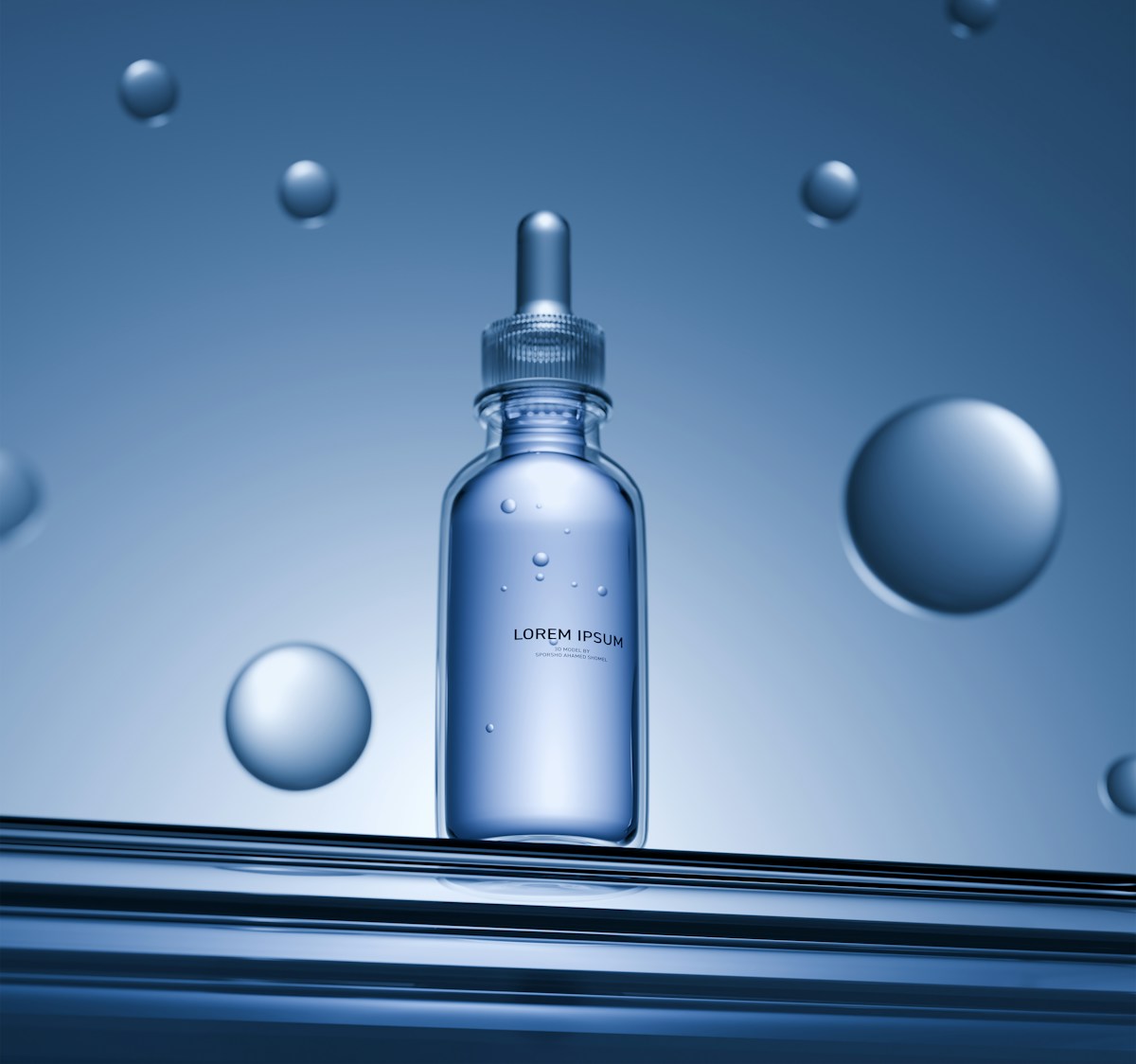
Exosomes in Skincare: The Next Frontier of K-Beauty Innovation
Exosomes are one of the most talked-about ingredients in Korean skincare right now. These tiny extracellular vesicles — roughly 30 to 150 nanometers in size — are revolutionizing how active ingredients are delivered to the skin. Korean brands are leading the charge, and exosome-infused products are quickly becoming a must-stock category.
What Are Exosomes?
Exosomes are nano-sized vesicles naturally produced by cells to carry proteins, lipids, and genetic material between cells. In skincare, lab-engineered exosomes act as delivery vehicles that penetrate deeper into the skin than traditional active ingredients.
Think of exosomes as tiny messengers that tell your skin cells to repair, regenerate, and produce more collagen — all at a cellular level.
How Exosomes Work in Skincare
- Enhanced delivery: Their nano-size allows them to bypass the skin barrier and deliver actives directly to target cells
- Cell signaling: Exosomes carry growth factors that stimulate collagen synthesis and cell turnover
- Anti-inflammatory: They help calm irritated skin and reduce redness
- Barrier repair: Exosomes support the skin's natural lipid barrier function
Key Benefits of Exosome Skincare
Anti-Aging
Exosomes carry growth factors like EGF and FGF that stimulate fibroblast activity, boosting collagen and elastin production. Clinical studies show visible improvement in fine lines within 4-8 weeks of consistent use.
Brightening
By promoting healthy cell turnover, exosomes help fade hyperpigmentation and even out skin tone more effectively than many traditional brightening agents.
Post-Procedure Recovery
Korean dermatology clinics have used exosome therapy after laser treatments and microneedling. The topical versions bring similar recovery benefits to at-home routines.
Skin Barrier Strengthening
Exosomes deliver ceramides and essential lipids directly to compromised barrier layers, making them ideal for sensitive or damaged skin.
Korean Brands Leading in Exosomes
Several Korean brands have launched exosome product lines:
- AXXZIA: Premium exosome serums targeting anti-aging
- Vitalbeautie: Exosome-infused ampoules
- Dr. Exosome: Dedicated exosome skincare line from Korean dermatology
- Cellpion: Plant-derived exosome technology
The price point for exosome products ranges from mid-tier to premium, making them a high-margin category for retailers.
Exosomes vs Other Anti-Aging Ingredients
- vs Retinol: Exosomes cause less irritation and work on cell communication rather than forced turnover
- vs Peptides: Both signal cells, but exosomes deliver a broader payload of growth factors
- vs Stem Cells: Exosomes are the active communication component that stem cell products aim to leverage
Why Source Through knok?
knok connects you directly with Korean beauty brand owners — no middlemen, wholesale pricing, and fast brand responses. Browse 150+ verified K-Beauty brands and discover the latest exosome products before they hit mainstream markets.
Conclusion
Exosomes represent the cutting edge of skincare science, and Korean brands are at the forefront. For retailers and buyers, stocking exosome products now positions your brand ahead of a trend that is only going to grow. The technology is proven, the consumer interest is rising, and the margins are attractive.
Written by
knok Team
Expert contributor at knok, sharing insights about K-Beauty trends, wholesale opportunities, and the latest in Korean skincare innovations.