Bloom Skin: Korean Barrier Repair Skincare for Healthy Glow
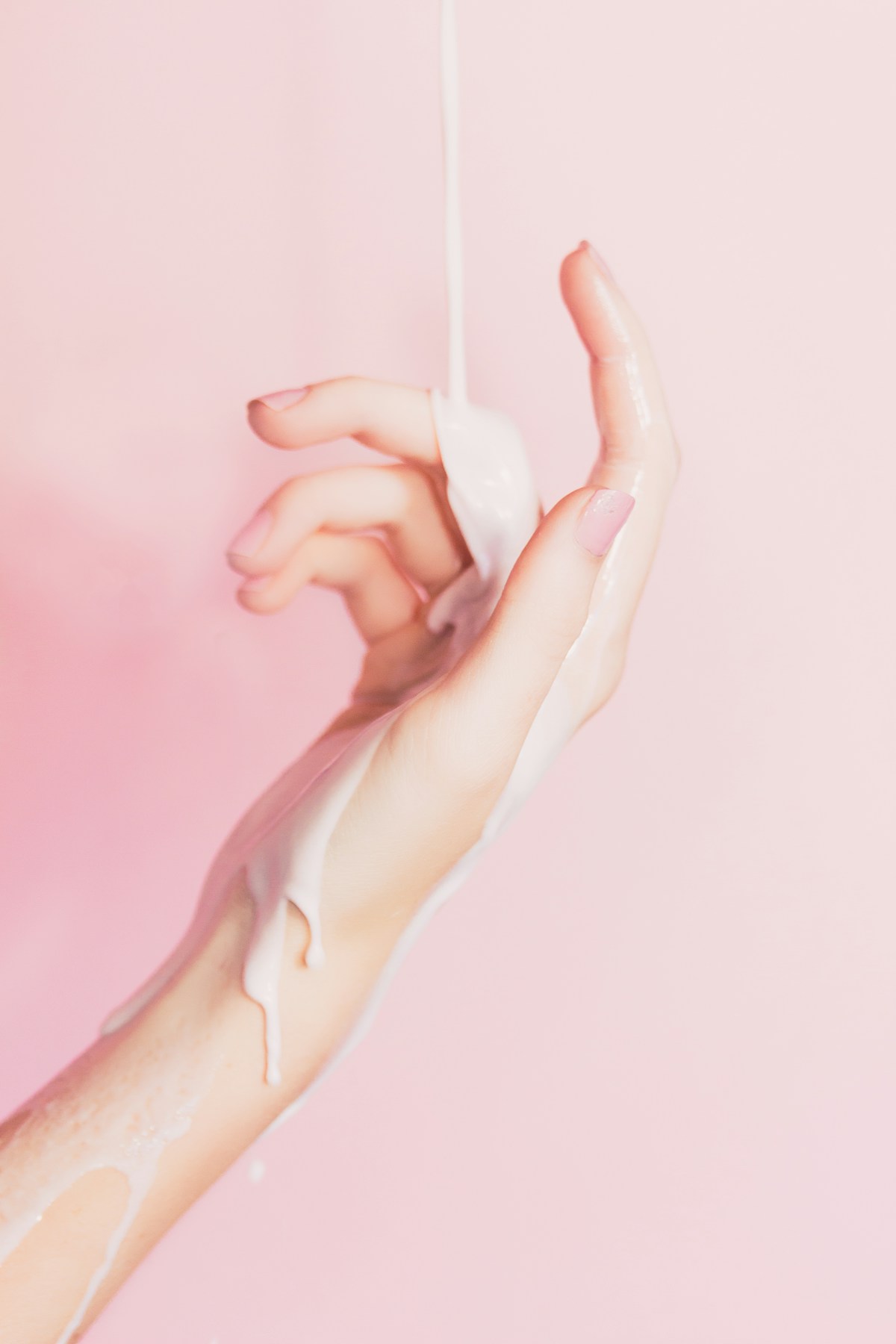
The term "bloom skin" has taken the Korean beauty world by storm in 2026. It describes skin that looks so healthy it appears to bloom from within — dewy, plump, and radiantly smooth without relying on heavy makeup or filters. The secret behind bloom skin is not a single miracle product but a systematic approach to skin barrier repair that Korean skincare has perfected over decades.
Your skin barrier is the outermost layer of your epidermis, known as the stratum corneum. Think of it as a brick wall: skin cells are the bricks, and lipids (ceramides, cholesterol, fatty acids) are the mortar holding everything together. When this barrier is intact, your skin retains moisture, resists irritants, and maintains that coveted bloom — a natural luminosity that no highlighter can replicate.
Why Your Skin Barrier Breaks Down
Understanding what damages the skin barrier is the first step to repairing it. Common causes include:
- Over-exfoliation — Using AHA, BHA, or physical scrubs too frequently strips the lipid layer faster than it can rebuild
- Harsh cleansers — High-pH cleansers (above 6.5) disrupt the acid mantle that protects the barrier
- Environmental stressors — UV radiation, pollution, extreme temperatures, and low humidity all degrade barrier lipids
- Retinoid overuse — Starting too strong or applying too frequently causes barrier disruption before the skin adapts
- Lifestyle factors — Poor sleep, stress, dehydration, and alcohol consumption impair the skin's natural repair mechanisms
Signs of a Damaged Barrier
| Symptom | What It Means |
|---|---|
| Tightness after cleansing | Lipid layer stripped, moisture escaping |
| Redness and sensitivity | Inflammation from irritant penetration |
| Flaking or peeling | Dead cells not shedding normally |
| Stinging from gentle products | Micro-cracks allowing product penetration into deeper layers |
| Increased breakouts | Impaired defense against bacteria |
| Dull, rough texture | Uneven cell turnover and dehydration |
The Korean Approach to Barrier Repair
Korean skincare philosophy treats the skin barrier as the foundation of all beauty. Rather than chasing active ingredients that force change, K-beauty prioritizes supporting the skin's natural repair mechanisms. This means:
- Gentle cleansing that preserves existing lipids
- Layered hydration that floods the skin with moisture from multiple sources
- Barrier-identical lipids that directly replace what has been lost
- Protective occlusion that prevents further moisture loss while repair occurs
The Ceramide Connection
Ceramides make up approximately 50% of the skin barrier's lipid content. They are the single most important ingredient for barrier repair. Korean brands recognized this early and have developed some of the most effective ceramide formulations available.
Types of ceramides in Korean skincare:
- Ceramide NP (Type 3) — The most abundant ceramide in human skin; restores moisture retention
- Ceramide AP (Type 6-II) — Supports structural integrity of the barrier
- Ceramide EOP (Type 1) — Critical for maintaining barrier function in the outermost layers
- Phytosphingosine — A ceramide precursor that the skin converts into additional ceramides
- Cholesterol — Not a ceramide but essential for proper barrier lipid organization
The most effective products include multiple ceramide types alongside cholesterol and fatty acids, mimicking the natural ratio found in healthy skin.
Essential Products for Barrier Repair
Step 1: Low-pH Cleanser
Your barrier repair routine begins with not destroying what you are trying to rebuild. Switch to a low-pH cleanser (5.0-6.0) that removes dirt and excess sebum without stripping lipids.
Top Korean picks:
- COSRX Low pH Good Morning Gel Cleanser — pH 5.0, gentle tea tree formula that cleanses without tightness
- Innisfree Green Tea Foam Cleanser — pH 5.5, antioxidant-rich foam that maintains the acid mantle
- Round Lab Dokdo Cleanser — pH 5.0, mineral-rich formula inspired by Korean island water
Step 2: Hydrating Toner
Korean toners are not astringents — they are hydration layers. Apply 2-3 layers of a hydrating toner to saturate the skin with moisture before sealing it in.
Recommended:
- Pyunkang Yul Essence Toner — 91.3% milk vetch root extract, deeply hydrating
- Klairs Supple Preparation Unscented Toner — Gentle formula with hyaluronic acid and centella
- Laneige Cream Skin Refiner — Toner-cream hybrid that delivers ceramides in a watery format
Step 3: Barrier Repair Serum
This is where the targeted repair happens. Look for serums with ceramides, centella, and madecassoside.
Best options:
- COSRX Balancium Comfort Ceramide Cream — Centella and ceramide NP in a serum-cream hybrid
- Etude House SoonJung 10-Free Moist Emulsion — Panthenol and madecassoside for sensitive barrier repair
- Dr. Jart+ Ceramidin Serum — Five types of ceramides in a lightweight serum delivery
Step 4: Moisturizer with Occlusion
Seal everything in with a moisturizer that provides both hydration and occlusion. Shea butter, squalane, and petrolatum all create a protective film that prevents transepidermal water loss (TEWL).
Top choices:
- Illiyoon Ceramide Ato Concentrate Cream — Dermatologist-recommended, fragrance-free, with ceramide capsules
- COSRX Full Fit Propolis Light Cream — Propolis and honey for anti-inflammatory moisture sealing
- Aestura Atobarrier 365 Cream — Developed by Amore Pacific R&D, medical-grade barrier repair
Step 5: Sunscreen (Morning Only)
UV damage is the single biggest threat to a recovering barrier. Apply broad-spectrum SPF 50+ every morning without exception.
Gentle barrier-friendly sunscreens:
- Beauty of Joseon Relief Sun: Rice + Probiotics — Chemical/mineral hybrid that doubles as a moisturizer
- Isntree Hyaluronic Acid Watery Sun Gel — Lightweight, hydrating, no white cast
- Round Lab Birch Juice Moisturizing Sun Cream — Soothing birch sap base for sensitized skin
The 14-Day Barrier Reset Protocol
If your barrier is severely compromised, follow this simplified routine for two weeks:
Days 1-7 (Emergency Repair):
- Morning: Water rinse only, hydrating toner (3 layers), ceramide cream, sunscreen
- Evening: Low-pH cleanser, hydrating toner (3 layers), ceramide cream
- No actives whatsoever — no AHA, BHA, retinol, vitamin C
Days 8-14 (Gradual Recovery):
- Continue the simplified routine above
- Introduce one gentle serum (centella or niacinamide only)
- Monitor for any stinging or redness
- If irritation occurs, return to days 1-7 protocol
After Day 14:
- Gradually reintroduce active ingredients, one at a time, with 3-4 day gaps between additions
- Start with the lowest concentration of any active
- If barrier disruption symptoms return, pause new additions immediately
Ingredients to Avoid During Repair
While repairing your barrier, completely eliminate:
- AHA/BHA/PHA — All chemical exfoliants
- Retinol/Retinoids — Even gentle ones cause barrier stress during recovery
- Vitamin C (L-Ascorbic Acid) — The active form can irritate compromised skin
- Alcohol denat. — Strips lipids and accelerates moisture loss
- Essential oils — Potential irritants that serve no barrier repair function
- Fragrance — Both synthetic and natural fragrances can trigger inflammation
The Science of Bloom
Once your barrier is fully repaired and maintained, the "bloom" effect happens naturally. Intact barrier lipids create a smooth surface that reflects light evenly. Properly hydrated cells plump up, reducing the appearance of fine lines and pores. The natural acid mantle gives the skin a subtle, healthy sheen that looks luminous without oiliness.
This is what Korean skincare means by "glass skin" or "bloom skin" — it is not a product effect but a state of skin health. No amount of makeup can replicate what a genuinely healthy barrier produces naturally.
Common Barrier Repair Mistakes
- Adding too many products too fast — More products does not mean faster repair. Keep it minimal.
- Switching products constantly — Give each product at least 2 weeks before evaluating results.
- Using hot water — Hot water strips barrier lipids. Use lukewarm or cool water exclusively.
- Neglecting internal hydration — Drink adequate water. Topical hydration alone is insufficient.
- Skipping sunscreen on cloudy days — UV penetrates clouds. Sunscreen is non-negotiable.
Why Source Through knok?
knok connects you directly with Korean beauty brand owners — no middlemen, wholesale pricing, and fast brand responses. Barrier repair products are among the highest-repeat-purchase categories in K-beauty, with loyal customers who restock consistently. Browse 150+ verified K-Beauty brands and start sourcing today.
The Bottom Line
Bloom skin is not achieved through aggressive treatments or expensive procedures. It is the natural result of a healthy, intact skin barrier — and Korean skincare provides the most effective, accessible tools to get there. By focusing on gentle cleansing, ceramide-rich formulations, and disciplined sun protection, anyone can achieve the radiant, blooming complexion that defines K-beauty in 2026.
Written by
knok Team
Expert contributor at knok, sharing insights about K-Beauty trends, wholesale opportunities, and the latest in Korean skincare innovations.


