Beta-Glucan for Skin Barrier Repair: The Korean Approach
Beta-glucan is one of the most underrated ingredients in modern skincare. While hyaluronic acid dominates the hydration conversation and ceramides lead the barrier repair discussion, beta-glucan quietly outperforms both in several measurable ways. Korean skincare brands have recognized this potential, incorporating beta-glucan into serums, essences, and moisturizers designed to repair compromised skin barriers and deliver deep, lasting hydration.
This guide covers the science behind beta-glucan, how it compares to more popular hydrating ingredients, and the best Korean products featuring this powerhouse polysaccharide.
What Is Beta-Glucan?
The Science
Beta-glucan is a polysaccharide — a long chain of glucose molecules — found naturally in the cell walls of yeast, oats, mushrooms, and certain grains. In skincare, the most commonly used forms are derived from yeast (Saccharomyces cerevisiae) and oats (Avena sativa). The molecular structure of beta-glucan allows it to form a thin, breathable film on the skin surface that locks in moisture while allowing the skin to function normally beneath.
How It Differs From Other Hydrators
Hyaluronic acid holds up to 1,000 times its weight in water, which sounds impressive but tells only part of the story. Beta-glucan provides comparable hydration with a critical advantage: it also activates the immune system in the skin. Beta-glucan stimulates macrophages and other immune cells in the epidermis, accelerating wound healing and reducing inflammation. This dual hydration-plus-immune-activation mechanism makes beta-glucan uniquely suited for barrier repair.
In comparative studies, beta-glucan has shown 20% better moisture retention than hyaluronic acid over a 24-hour period, partly because its film-forming properties reduce transepidermal water loss (TEWL) more effectively.
Beta-Glucan Benefits for Skin
Barrier Repair
A compromised skin barrier manifests as dryness, redness, sensitivity, and increased reactivity to products that previously caused no issues. Beta-glucan addresses barrier damage on multiple levels. It physically seals micro-gaps in the stratum corneum, signals fibroblasts to produce more collagen and structural proteins, and reduces the inflammatory cascade that perpetuates barrier breakdown.
Anti-Inflammatory Action
Chronic low-grade inflammation is increasingly recognized as a driver of premature aging and skin sensitivity. Beta-glucan modulates the inflammatory response by activating anti-inflammatory pathways while suppressing pro-inflammatory cytokines like IL-1 and TNF-alpha. This makes it effective for conditions ranging from rosacea and eczema to post-procedure recovery.
Antioxidant Protection
Beta-glucan scavenges free radicals and reduces oxidative stress in the skin. While it is not as potent as dedicated antioxidants like vitamin C or vitamin E, its antioxidant activity complements its barrier repair and anti-inflammatory functions, creating a comprehensive protective effect.
Wound Healing Acceleration
Beta-glucan has a long history in medical wound care. Its ability to stimulate macrophage activity speeds up the removal of damaged tissue and the production of new, healthy skin. In skincare, this translates to faster recovery from acne lesions, chemical peels, laser treatments, and general skin irritation.
Best Korean Beta-Glucan Products
Serums and Essences
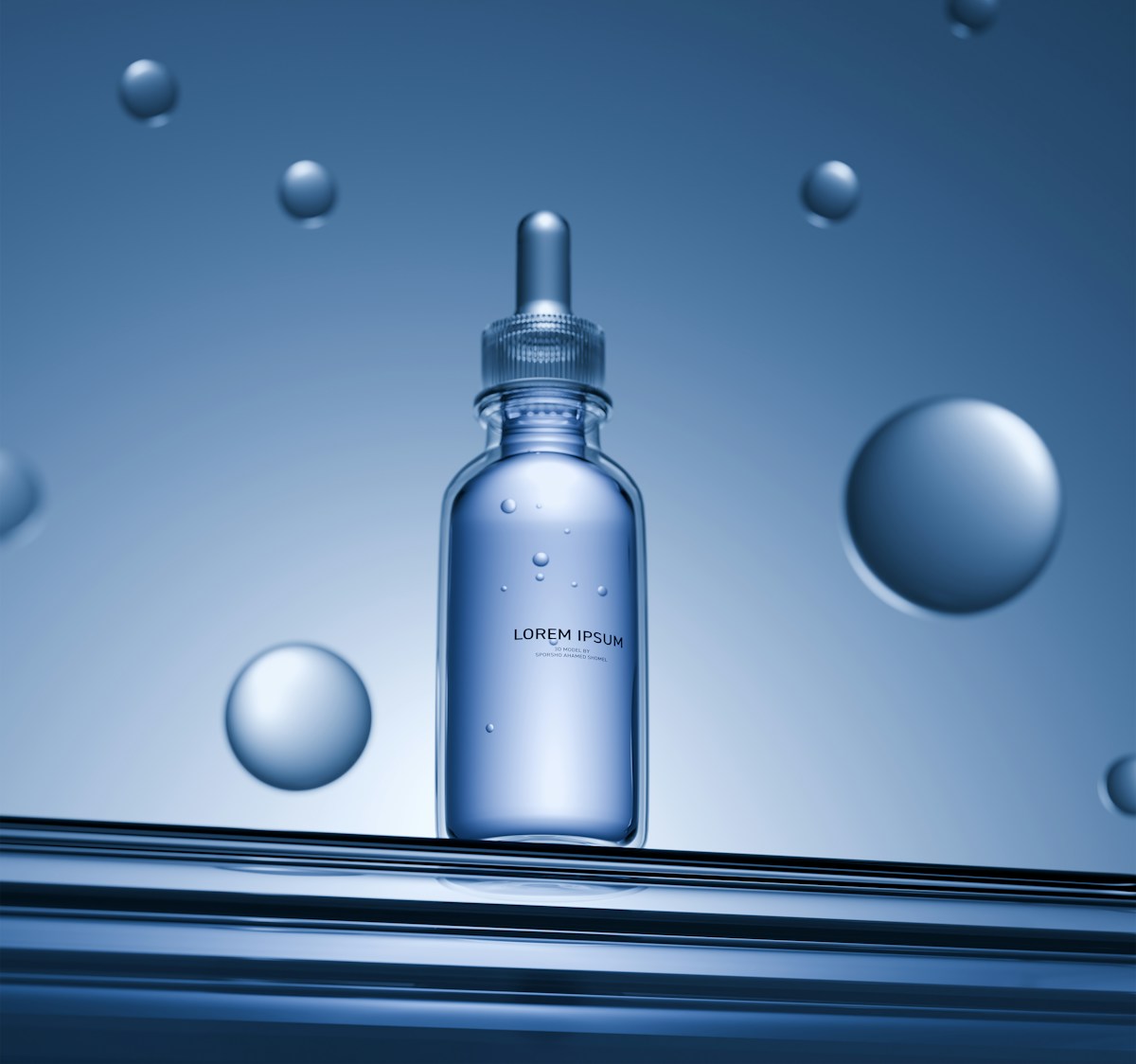
iUNIK Beta-Glucan Power Moisture Serum is the benchmark Korean beta-glucan product. With 98% beta-glucan extract, it delivers concentrated barrier support in a lightweight, fast-absorbing texture. It layers well under other products and works for all skin types, including oily and acne-prone.
COSRX Balancium Comfort Ceramide Cream combines beta-glucan with ceramides for a dual-mechanism approach to barrier repair. While technically a cream, its lightweight texture functions more like a rich serum for many users.
Torriden DIVE-IN Low Molecular Hyaluronic Acid Serum pairs beta-glucan with five molecular weights of hyaluronic acid, combining immediate surface hydration with deeper barrier support. This layered hydration approach is characteristic of advanced Korean formulation.
Moisturizers
Innisfree Green Tea Seed Hyaluronic Cream includes beta-glucan alongside green tea seed extract and hyaluronic acid. The combination provides multi-layered hydration with antioxidant protection.
SKIN1004 Madagascar Centella Soothing Cream uses beta-glucan to complement centella asiatica in a calming moisturizer. This product is particularly well-suited for skin recovering from active breakouts or irritation from other treatments.
Masks and Treatments
Beauty of Joseon Calming Mask incorporates beta-glucan into a sheet mask format for intensive barrier repair sessions. The extended contact time of a sheet mask allows for greater ingredient penetration compared to leave-on products.
How to Use Beta-Glucan in Your Routine
For Damaged or Compromised Barriers
When your barrier is actively compromised — tight, flaky, stinging with product application — simplify your routine drastically:
- Gentle cleanser: COSRX Low pH Good Morning Gel Cleanser or plain micellar water
- Beta-glucan serum: iUNIK Beta-Glucan Power Moisture Serum applied to damp skin
- Simple moisturizer: Illiyoon Ceramide Ato Concentrate Cream to seal everything in
- Sunscreen (AM only): A mineral sunscreen or gentle chemical formula
Avoid actives (AHA, BHA, retinol, vitamin C) until the barrier recovers, typically 1 to 3 weeks.
For Maintenance and Prevention
Once your barrier is healthy, beta-glucan works as a preventive layer:
- Use a beta-glucan serum 2 to 3 times per week, alternating with your active treatments
- Apply after toner and before heavier serums or moisturizers
- Layer under retinol or vitamin C to buffer their potential irritation
Combining Beta-Glucan With Other Ingredients
Beta-glucan pairs exceptionally well with:
- Ceramides: Complementary barrier repair mechanisms
- Centella asiatica: Enhanced anti-inflammatory and wound-healing effects
- Hyaluronic acid: Multi-depth hydration coverage
- Niacinamide: Barrier strengthening plus brightening
- Peptides: Structural support plus hydration
Avoid using beta-glucan products immediately before or after strong acid treatments (AHA/BHA peels at high concentrations), as the acid pH can temporarily reduce beta-glucan's film-forming effectiveness.
Beta-Glucan vs Popular Alternatives
Beta-Glucan vs Hyaluronic Acid
Hyaluronic acid excels at immediate surface hydration. Beta-glucan provides longer-lasting moisture retention and adds immune activation benefits. For best results, use both: hyaluronic acid for instant plumping, beta-glucan for sustained barrier support.
Beta-Glucan vs Ceramides
Ceramides are structural lipids that physically fill gaps in the skin barrier. Beta-glucan is a polysaccharide that forms a protective film and activates repair processes. They work through completely different mechanisms and complement each other well.
Beta-Glucan vs Centella Asiatica
Both are anti-inflammatory and support wound healing. Centella works primarily through madecassoside and asiaticoside compounds, while beta-glucan activates immune cells directly. Using both simultaneously amplifies the calming and repair effects.
Why Source Through knok?
knok connects you directly with Korean beauty brand owners — no middlemen, wholesale pricing, and fast brand responses. Browse 173+ verified K-Beauty brands and start sourcing beta-glucan skincare products at competitive wholesale rates today.
Conclusion
Beta-glucan deserves a permanent place in any barrier repair or sensitive skin routine. Its combination of superior moisture retention, immune activation, anti-inflammatory action, and wound-healing acceleration makes it one of the most functionally complete ingredients in Korean skincare. Whether you are recovering from a damaged barrier or looking to prevent future sensitivity, beta-glucan products from brands like iUNIK, COSRX, and SKIN1004 deliver measurable results with minimal risk of irritation.
Written by
knok Team
Expert contributor at knok, sharing insights about K-Beauty trends, wholesale opportunities, and the latest in Korean skincare innovations.