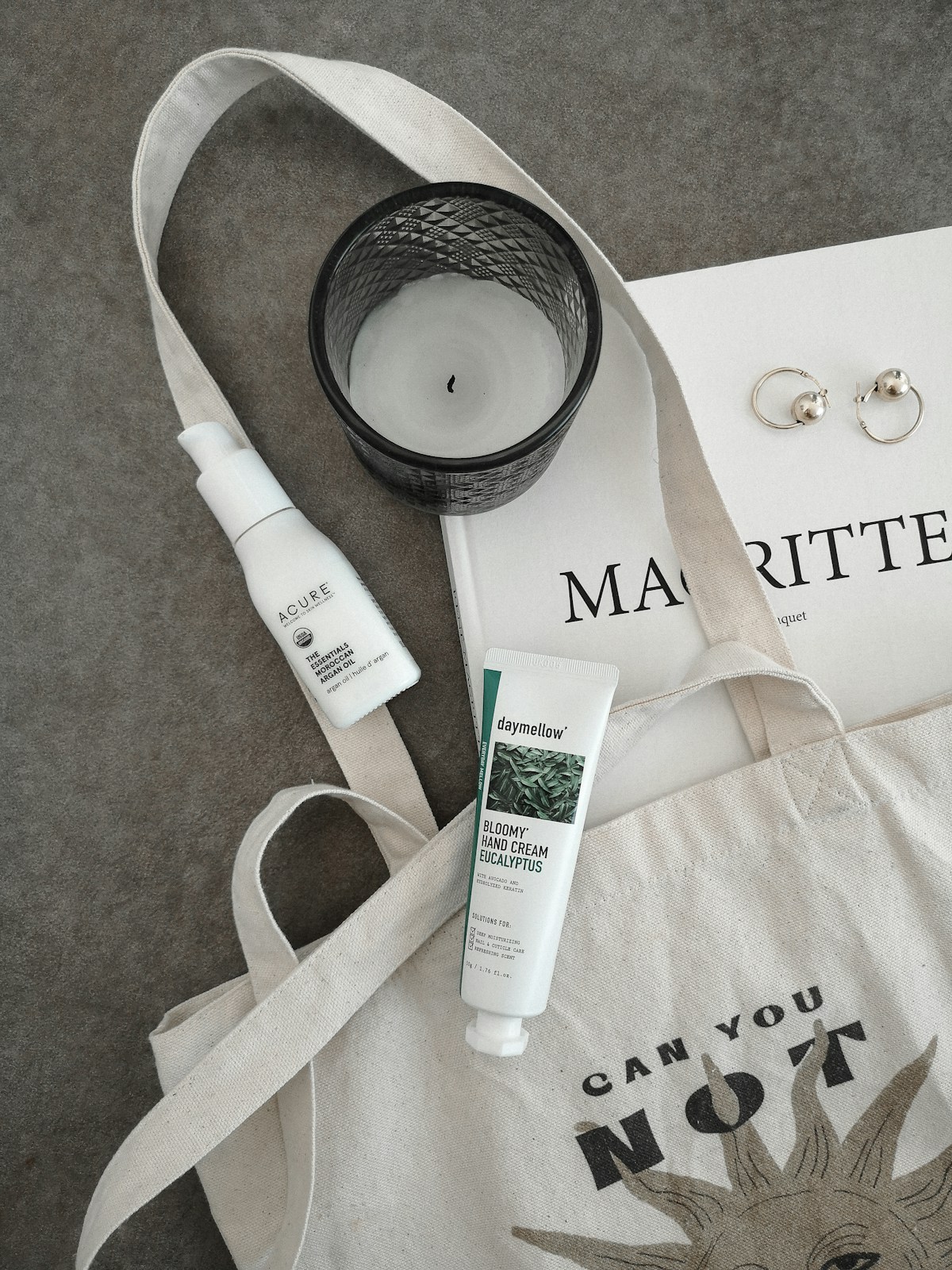
Asian Beauty Wholesale: How to Source K-Beauty and J-Beauty Products
The Asian beauty wholesale market has grown into a multi-billion-dollar industry, driven by relentless global demand for Korean and Japanese skincare, makeup, and personal care products. For retailers, e-commerce sellers, salon owners, and subscription box curators, accessing the right wholesale channels is the difference between competitive margins and razor-thin profits.
This guide covers the practical mechanics of sourcing Asian beauty products at wholesale: where to find suppliers, how to evaluate platforms, what pricing to expect, and how to avoid the most common pitfalls.
Understanding the Asian Beauty Wholesale Landscape
Market Size and Growth
The global K-beauty market alone exceeded $10 billion in 2025, with J-beauty adding another substantial segment. Export growth from Korea has been accelerating at 15-20% annually, driven by TikTok-fueled consumer demand and expanding distribution into previously untapped markets like Latin America, the Middle East, and Eastern Europe.
Types of Wholesale Channels
1. Direct Brand Partnerships Buying directly from the brand manufacturer or their export division. This offers the best prices but typically requires larger minimum orders (MOQ) and relationship building.
2. B2B Wholesale Platforms Online marketplaces that aggregate multiple brands into a single ordering interface. Lower MOQs, easier ordering, but prices include platform margins.
3. Authorized Distributors Regional distributors who hold exclusive or non-exclusive rights to sell specific brands in certain markets. Pricing is higher than direct, but they offer local inventory, faster shipping, and regulatory support.
4. Trading Companies Korean and Japanese trading companies that source across dozens of brands. They handle logistics, customs documentation, and consolidation. Best for buyers who need diverse brand selection in small quantities.
How to Find Reliable Asian Beauty Wholesale Suppliers
Online B2B Platforms
Several platforms specialize in Asian beauty wholesale:
knok — Connects buyers directly with Korean beauty brand owners. No middlemen means better pricing, direct communication about MOQs and customization, and access to 150+ verified brands. Best for buyers who want direct brand relationships.
Alibaba (Asian Beauty section) — Large selection but requires careful vetting. Look for Trade Assurance sellers and verified manufacturers. Risk of counterfeit products is higher on general marketplaces.
Industry Trade Shows — Cosmoprof Asia (Hong Kong), Cosmobeauté (Seoul/Tokyo), InterCHARM (various locations). Face-to-face meetings with brand representatives remain the most effective way to establish wholesale partnerships, especially for large orders.
Direct Outreach
Many Korean beauty brands have wholesale inquiry forms on their websites or list export contacts. For brands you cannot find on wholesale platforms:
- Visit the brand's official Korean website
- Look for "Business Inquiry" or "Wholesale" links (often in the footer)
- Send a professional email introducing your business, target market, and estimated order volume
- Be patient — Korean business culture values relationship building, and initial responses may take 1-2 weeks
Pricing Structure: What to Expect
Typical Wholesale Margins
Asian beauty wholesale pricing generally follows this structure:
| Order Volume | Discount off Retail | Typical MOQ |
|---|---|---|
| Small wholesale (starter) | 30-40% off | 50-100 units per SKU |
| Standard wholesale | 40-50% off | 100-500 units per SKU |
| Volume wholesale | 50-60% off | 500-1,000+ units per SKU |
| Private label/OEM | 60-70% off | 1,000-5,000+ units |
These ranges vary significantly by brand, product category, and negotiation. Premium brands (Sulwhasoo, Dr. Jart+) offer slimmer margins than mid-range brands (COSRX, Some By Mi) because their retail pricing already reflects brand positioning.
Hidden Costs to Account For
When calculating your true landed cost, include:
- Shipping: International freight (sea or air), domestic last-mile delivery
- Customs duties: Varies by country (US: typically 0-5% for cosmetics)
- Import regulations: FDA/MOCRA registration (US), CPNP notification (EU), TGA compliance (Australia)
- Insurance: Cargo insurance for international shipments
- Currency exchange: KRW/JPY to your local currency fluctuations
- Storage: Warehouse costs, especially for temperature-sensitive products
- Expiration risk: Korean products typically have 24-36 month shelf lives
Evaluating Wholesale Suppliers: Red Flags and Green Flags
Green Flags (Trustworthy Suppliers)
- Provide complete product documentation (MSDS, certificates of analysis, ingredient lists)
- Offer product samples before bulk ordering
- Have verifiable business registration (Korean 사업자등록번호)
- Respond professionally with clear payment terms and shipping timelines
- Can provide references from existing wholesale customers
- List specific brands they are authorized to distribute
Red Flags (Proceed with Caution)
- Prices significantly below market (often indicates counterfeit products)
- No product documentation or certificates available
- Require full payment upfront before any samples
- Cannot verify authorization from the brands they sell
- Website looks generic or lacks verifiable contact information
- Pressure to order quickly without allowing due diligence
Legal and Regulatory Considerations
United States (FDA/MOCRA)
The Modernization of Cosmetics Regulation Act (MOCRA) of 2022 requires:
- Facility registration for all cosmetics manufacturers and distributors
- Product listing with the FDA
- Adverse event reporting systems
- Good Manufacturing Practice (GMP) compliance
European Union (CPNP)
The EU requires:
- Product notification through the CPNP (Cosmetic Products Notification Portal)
- A Responsible Person (RP) based in the EU
- Safety assessment and Product Information File (PIF)
- Compliance with the EU Cosmetics Regulation (EC) No 1223/2009
Product Labeling
Most Asian beauty products will need relabeling for your market. At minimum, you will need:
- English-language ingredient list (INCI format)
- Net weight in local units
- Manufacturer and distributor information
- Country of origin
- Batch/lot number for traceability
Building Long-Term Supplier Relationships
The most successful Asian beauty wholesale operations are built on long-term brand relationships, not one-off transactions.
Start Small, Scale Strategically
Begin with a small order from 3-5 brands to test demand in your market. Track which products sell fastest, gather customer feedback, and use that data to inform your next, larger order. Brands appreciate buyers who demonstrate market knowledge and growth potential.
Communicate Consistently
Regular communication with your brand partners — sharing sell-through data, customer feedback, and market insights — builds trust and often leads to better pricing, exclusive products, or priority allocation during high-demand periods.
Source Asian Beauty Through knok
knok simplifies Asian beauty wholesale by connecting you directly with Korean beauty brand owners. No intermediaries, no inflated middleman pricing. Browse 150+ verified K-beauty brands, request samples, negotiate terms, and build direct brand partnerships — all through a single platform.
Conclusion
Asian beauty wholesale is a high-growth opportunity for retailers who approach it strategically. Success depends on finding reliable suppliers, understanding your true landed costs, ensuring regulatory compliance, and building brand relationships that improve over time. Start small, learn your market, and scale with data-driven confidence.
Written by
knok Team
Expert contributor at knok, sharing insights about K-Beauty trends, wholesale opportunities, and the latest in Korean skincare innovations.


